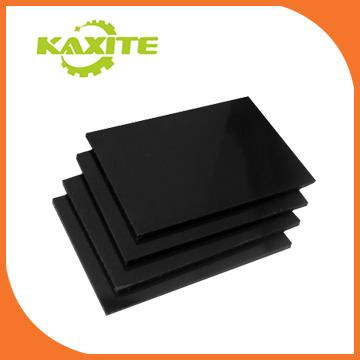
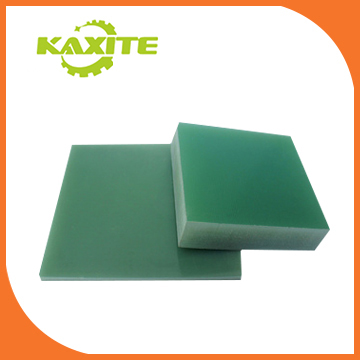
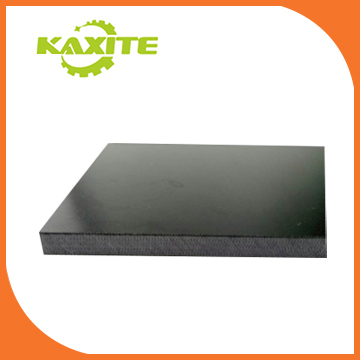
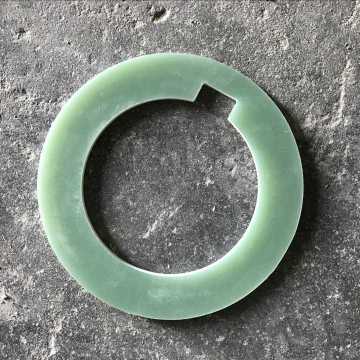
Processing products form the backbone of modern industrial and manufacturing operations. At Kaxite Sealing, we engineer high-performance processing components designed to meet the most rigorous demands of fluid handling, chemical processing, food and beverage production, and pharmaceutical manufacturing. Our commitment to precision engineering, material science, and stringent quality control ensures that every product delivers unparalleled reliability, durability, and efficiency, minimizing downtime and maximizing operational output.
In industrial contexts, processing products refer to the critical components used within systems to control, contain, transfer, and manage fluids and gases under various pressures, temperatures, and chemical conditions. These are not just parts; they are vital for system integrity, safety, and process efficiency. Failure in a single component can lead to significant production losses, safety hazards, and environmental concerns.
Kaxite Sealing specializes in a comprehensive range of these essential components, focusing on sealing solutions and fluid handling products that ensure leak-free, efficient, and long-lasting performance.
Our product portfolio is built on a foundation of technical excellence. Below is a detailed breakdown of our primary product categories and their key technical specifications.
Designed for rotating equipment like pumps and mixers to prevent leakage along rotating shafts.
Used to create a static seal between two non-moving flanges or surfaces.
Absorb thermal expansion, vibration, and movement in piping systems.
The following table provides a clear comparison of key Kaxite Sealing products for easy selection based on operating conditions.
| Product Type | Model Series | Optimal Pressure Range | Optimal Temperature Range | Key Material(s) | Primary Industry Application |
|---|---|---|---|---|---|
| Cartridge Mechanical Seal | KX-CMS200 | 0 - 450 psi | -20°F to 400°F | SiC / Viton | Chemical Processing, Water Treatment |
| Spiral Wound Gasket | KX-SWG300 | Up to 2500 psi (ANSI 2500) | -150°F to 1500°F | SS316 / Flexible Graphite | Oil & Gas, Power Generation |
| PTFE Envelope Gasket | KX-PTFE100 | Up to 300 psi | -100°F to 450°F | PTFE (Virgin or Filled) | Pharmaceutical, Food & Beverage |
| Axial Expansion Joint | KX-AEJ500 | Vacuum - 250 psi | -450°F to 800°F | SS321 / Inconel 625 | HVAC, Petrochemical |
| High-Performance O-Ring | KX-FFKM80 | Up to 3000 psi (static) | -15°F to 620°F | Perfluoroelastomer (FFKM) | Semiconductor, Aerospace |
Choosing the correct material is as crucial as selecting the product type. Here’s a guide to Kaxite Sealing's primary material offerings.
| Material | Key Characteristics | Chemical Resistance | Max Continuous Temp. | Typical Use Case |
|---|---|---|---|---|
| Silicon Carbide (SiC) | Extreme hardness, excellent wear & abrasion resistance, high thermal conductivity. | Excellent against acids, alkalis, and slurries. | 2700°F (1480°C) | Seal faces in abrasive slurry pumps. |
| Flexible Graphite | Self-lubricating, highly compressible, excellent thermal stability. | Excellent, except strong oxidizing agents. | 1800°F (982°C) in inert atmosphere. | Gasket filler for high-temperature flanges. |
| Perfluoroelastomer (FFKM) | Exceptional chemical resistance similar to PTFE, with elastomeric properties. | Resistant to nearly all chemicals, including aggressive solvents. | 620°F (327°C) | O-rings and seals in aggressive chemical and plasma environments. |
| 316 Stainless Steel | Good general corrosion resistance, high strength. | Good resistance to chlorides and various chemicals. | 1500°F (816°C) | Gasket windings, bellows, and structural components. |
| Polytetrafluoroethylene (PTFE) | Ultra-low friction, excellent dielectric properties, chemically inert. | Excellent against almost all industrial chemicals. | 500°F (260°C) | Liner for gaskets, bellows, and seals in ultra-pure or corrosive service. |
Q: What factors are most critical when selecting a mechanical seal for my pump?
A: The selection of a mechanical seal is a critical engineering decision. The five most important factors are: 1) Process Fluid: Its chemical composition, abrasiveness, and viscosity directly dictate compatible seal face and elastomer materials. 2) Operating Pressure and Temperature: These determine the seal design (balanced/unbalanced), material thermal limits, and potential need for cooling. 3) Shaft Speed: High speeds generate heat and centrifugal force, requiring stable face materials and robust design. 4) Equipment Run Conditions: Consider dry running, cavitation, or vibration, which may demand specific seal arrangements like dual seals. 5) Regulatory & Safety Standards: Compliance with API 682, ISO 21049, or FDA requirements for specific industries is non-negotiable. A Kaxite Sealing engineer can perform a full application review to recommend the optimal seal.
Q: How do I know if I need a spiral wound gasket or a PTFE gasket?
A: The choice hinges on service conditions. Spiral Wound Gaskets (like KX-SWG300) are the workhorse for high-pressure and high-temperature applications (e.g., steam, hydrocarbons, in power and oil & gas). Their metallic winding provides spring-like recovery, maintaining a seal under fluctuating pressures and temperatures. PTFE Gaskets (like KX-PTFE100) are ideal for highly corrosive chemical services, ultra-pure processes (food, pharma), and applications where contamination is a concern. They offer superb chemical resistance but have lower temperature and pressure limits compared to spiral wound gaskets. For services involving strong acids, alkalis, or stringent cleanliness, PTFE is often the default choice.
Q: What does "ANSI Class" rating mean for a gasket?
A: The ANSI (American National Standards Institute) Class rating, often seen as Class 150, 300, 600, etc., defines the pressure-temperature rating of a flange connection. It indicates the maximum allowable non-shock pressure (in psi or bar) the gasket and flange assembly is designed to contain at a specific temperature. For example, a gasket rated for ANSI Class 600 can withstand higher pressures than one rated for Class 150 at the same temperature. It is crucial to match the gasket's pressure class with the flange rating of your piping system. Using an under-rated gasket can lead to catastrophic failure.
Q: Can Kaxite Sealing products handle cryogenic temperatures?
A: Absolutely. Kaxite Sealing offers specialized products engineered for cryogenic applications, such as LNG processing, liquid nitrogen, or oxygen systems. Key considerations include material selection to prevent brittleness (e.g., specially compounded elastomers, stainless steels like 304 or 316L), designs that account for severe thermal contraction, and manufacturing processes that ensure integrity. Our expansion joints and gaskets for cryogenic service are extensively tested to perform reliably at temperatures as low as -450°F (-268°C).
Q: What is the typical lead time for custom-configured processing products?
A: Lead times vary based on product complexity, material availability, and customization level. Standard catalog items from Kaxite Sealing are typically available for shipment within 1-2 weeks. For custom-engineered products—such as large diameter expansion joints, seals for non-standard shafts, or gaskets with special materials—the lead time can range from 4 to 8 weeks. We recommend consulting with our technical sales team early in your project planning phase. For critical emergency requirements, Kaxite Sealing offers expedited manufacturing services whenever possible.
Q: How does Kaxite Sealing ensure the quality and consistency of its products?
A: Quality is embedded in our process. Kaxite Sealing operates a certified Quality Management System (ISO 9001:2015). Our assurance protocol includes: 1) Raw Material Certification: All incoming materials are verified against strict Certificates of Analysis (CoA) and Compliance (CoC). 2) In-Process Inspection: Dimensional checks, material verification, and assembly reviews are conducted at multiple stages. 3) Final Testing: Products may undergo pressure testing, leak testing, helium leak detection, or dimensional validation per customer specifications or ASTM/ASME standards. 4) Traceability: Every major component is fully traceable from raw material to final product through unique heat/lot numbers. Comprehensive documentation packages are provided with every shipment.
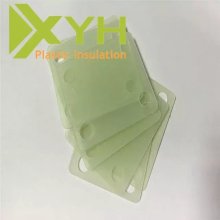
Payment Type: T/T,D/P,Paypal,Western Union Incoterm: FOB,CFR,CIF Min. Order: 500 Kilogram Delivery Time: 10 Days
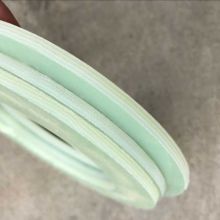
Payment Type: T/T,D/P,Paypal,Western Union Incoterm: FOB,CFR,CIF Min. Order: 500 Kilogram Delivery Time: 10 Days
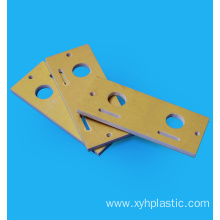
Payment Type: T/T,Paypal,Western Union Incoterm: FOB,CFR,CIF Min. Order: 1000 Kilogram Delivery Time: 10 Days