PTFE, or Polytetrafluoroethylene, is a remarkable synthetic fluoropolymer renowned for its exceptional chemical resistance, low coefficient of friction, high-temperature stability, and excellent electrical insulation properties. Since its accidental discovery in 1938, PTFE has become indispensable across countless industries, from aerospace and chemical processing to medical devices and food production. At Kaxite Sealing, we specialize in engineering and manufacturing high-performance PTFE sealing solutions and components that meet the most demanding operational challenges.
Our PTFE products are not just commodities; they are precision-engineered solutions. We utilize advanced processing techniques and high-purity PTFE resins to ensure consistency, reliability, and superior performance. Whether you require standard seals, custom-molded parts, or complex machined components, Kaxite Sealing delivers products that excel in harsh environments where other materials fail.
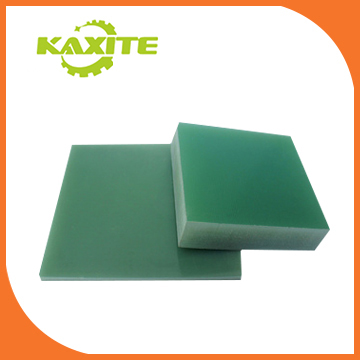
Kaxite Sealing offers a comprehensive range of PTFE materials, including virgin, glass-filled, carbon-filled, bronze-filled, and stainless-steel-filled compounds. Each is designed to enhance specific properties for targeted applications.
| Material Grade | Key Additives / Composition | Primary Enhanced Properties | Typical Applications | Specific Gravity |
|---|---|---|---|---|
| KX-PTFE-V (Virgin) | 100% Pure PTFE Polymer | Maximum chemical purity, electrical insulation, flexibility | Semiconductor liners, medical implants, gaskets for ultra-pure systems | 2.15 - 2.20 |
| KX-PTFE-G25 | 25% Glass Fiber | Improved compressive strength, wear resistance, reduced creep | Heavy-duty bushings, bearings, thrust washers, valve seats | 2.25 - 2.30 |
| KX-PTFE-C20 | 20% Carbon Graphite | Superior thermal conductivity, low friction, excellent wear life | Piston rings, compressor rings, dynamic seals in dry running conditions | 1.90 - 1.95 |
| KX-PTFE-B60 | 60% Bronze Powder | High thermal conductivity, excellent wear resistance, high load capacity | Bearings for high PV values, severe service wear pads, guides | 3.70 - 3.90 |
| KX-PTFE-SS316 | Stainless Steel 316 (Fine Powder) | Extreme abrasion resistance, high compressive strength | Severe abrasive environments, slurry pump components, scraper rings | 3.50 - 3.80 |
| KX-PTFE-E (Electrically Conductive) | Carbon & Conductive Fillers | Provides electrical conductivity for static dissipation or grounding | Seals in explosive atmospheres (ATEX), EMI/RFI shielding components | 1.80 - 2.00 |
| Property | Test Method | Virgin PTFE | Glass-Filled (25%) | Carbon-Filled (20%) | Units |
|---|---|---|---|---|---|
| Tensile Strength | ASTM D638 | 25 - 35 | 17 - 22 | 14 - 18 | MPa |
| Elongation at Break | ASTM D638 | 300 - 500 | 200 - 300 | 150 - 250 | % |
| Compressive Strength (1% Deformation) | ASTM D695 | ~7 | ~25 | ~20 | MPa |
| Hardness, Shore D | ASTM D2240 | 50 - 65 | 60 - 68 | 58 - 65 | - |
| Coefficient of Friction (Dynamic, vs Steel) | ASTM D1894 | 0.04 - 0.10 | 0.10 - 0.15 | 0.08 - 0.12 | - |
| Thermal Conductivity | ASTM C177 | 0.25 | 0.40 | 0.45 | W/m·K |
| Continuous Service Temperature | - | -200°C to +260°C | -200°C to +260°C | -200°C to +260°C | °C |
What does PTFE stand for?
PTFE stands for Polytetrafluoroethylene. It is a synthetic polymer made from tetrafluoroethylene monomer. It is widely known by the brand name Teflon®, which is a registered trademark of Chemours (formerly DuPont). Kaxite Sealing manufactures components using high-quality PTFE polymers.
Is PTFE safe for food contact and medical applications?
Yes, pure, virgin PTFE is biologically inert and meets stringent regulatory standards. Kaxite Sealing's virgin PTFE grades comply with FDA CFR 21, EU Regulation 10/2011 for food contact, and USP Class VI for medical devices. It is non-toxic and does not react with bodily tissues or most food products, making it ideal for seals in food processing equipment, pharmaceutical manufacturing, and implantable medical devices.
What are the main limitations of PTFE?
While PTFE has outstanding chemical and thermal properties, it has some mechanical limitations in its pure form. These include low creep resistance (cold flow under sustained load), relatively low wear resistance compared to engineered plastics, and poor radiation resistance. At Kaxite Sealing, we overcome these limitations by formulating filled compounds. For example, adding glass fibers significantly improves creep resistance, while carbon or bronze fillers dramatically enhance wear resistance and thermal conductivity.
How do I choose between virgin PTFE and a filled compound?
The choice depends entirely on your application's requirements. Select virgin PTFE from Kaxite Sealing when maximum chemical purity, flexibility, or superior dielectric properties are critical. Choose a filled compound (like our KX-PTFE-G25 or KX-PTFE-C20) when you need improved mechanical strength, better resistance to deformation under load (creep), higher wear resistance, or enhanced thermal conductivity for heat dissipation. Our technical team can help you select the optimal material.
Can PTFE be bonded or glued to other materials?
Due to its extremely non-stick surface and low surface energy, bonding PTFE is notoriously difficult. Standard adhesives do not work. Successful bonding requires specialized surface pretreatment processes such as sodium etching (chemical treatment) or plasma treatment to alter the surface chemistry and create a bondable layer. For reliable sealing assemblies, Kaxite Sealing often recommends mechanically capturing the PTFE component or using it as a liner within a metal housing.
What is the difference between molded and machined PTFE parts?
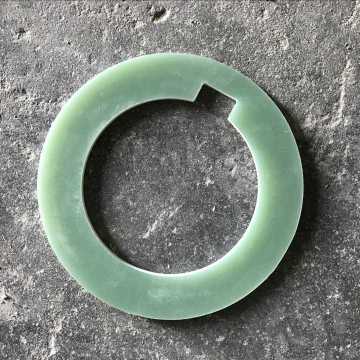
Molded PTFE parts are created by compressing PTFE powder in a mold and then sintering (heating) it to form a solid shape. This is cost-effective for high volumes and complex shapes that are difficult to machine. Machined PTFE parts are cut from extruded rods, sheets, or tubes. Kaxite Sealing utilizes CNC machining for prototypes, low-volume production, or parts requiring extremely tight tolerances and fine surface finishes that cannot be achieved through molding alone.
How does temperature affect PTFE's properties?
PTFE retains its excellent properties across a very wide temperature range. However, it undergoes a minor phase transition around 19°C (66°F), which can cause a slight dimensional change in precision parts. Its mechanical strength decreases as temperature increases, but it remains functional where other plastics melt or decompose. Importantly, PTFE does not become brittle at cryogenic temperatures, maintaining its flexibility and toughness down to -200°C. All Kaxite Sealing PTFE materials are characterized for performance across their full rated temperature spectrum.
Is PTFE resistant to all chemicals?
PTFE is resistant to almost all industrial chemicals, including strong acids (e.g., sulfuric, nitric), bases (e.g., caustic soda), and organic solvents. It is often described as "inert." The only known substances that can affect PTFE at elevated temperatures are molten alkali metals (e.g., sodium), fluorine gas, and certain fluorine compounds like chlorine trifluoride. For 99.9% of chemical sealing applications, Kaxite Sealing PTFE provides a safe and durable solution.
What industries commonly use PTFE components from Kaxite Sealing?
Our PTFE seals and components serve a diverse global clientele. Key industries include: Chemical Processing (valves, pump seals, gaskets), Oil & Gas (downhole tools, ring gaskets), Pharmaceutical & Food (sanitary fittings, diaphragm valves), Semiconductor (wafer carriers, liners), Automotive & Aerospace (fuel systems, hydraulic seals), and Electrical (insulators, wire coating).
How should PTFE components be stored and handled?
PTFE is a stable material but should be stored in a cool, dry, dark place away from direct sunlight and sources of heat to prevent unnecessary thermal aging. While chemically resistant, it is a relatively soft material, so care should be taken to avoid scratches or nicks on sealing surfaces during handling. Use clean, soft handling tools. Components from Kaxite Sealing are typically supplied in protective packaging to ensure they arrive in perfect condition.
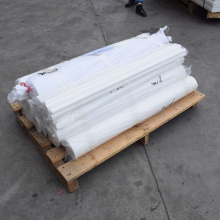
Payment Type: T/T,D/P,Paypal,Western Union Incoterm: FOB,CFR,CIF Min. Order: 100 Kilogram Delivery Time: 10 Days
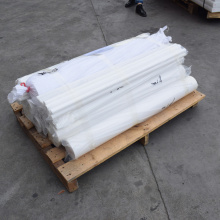
Payment Type: T/T,D/P,Paypal,Western Union Incoterm: FOB,CFR,CIF Min. Order: 100 Kilogram Delivery Time: 10 Days
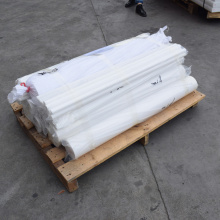
Payment Type: T/T,D/P,Paypal,Western Union Incoterm: FOB,CFR,CIF Min. Order: 100 Kilogram Delivery Time: 10 Days
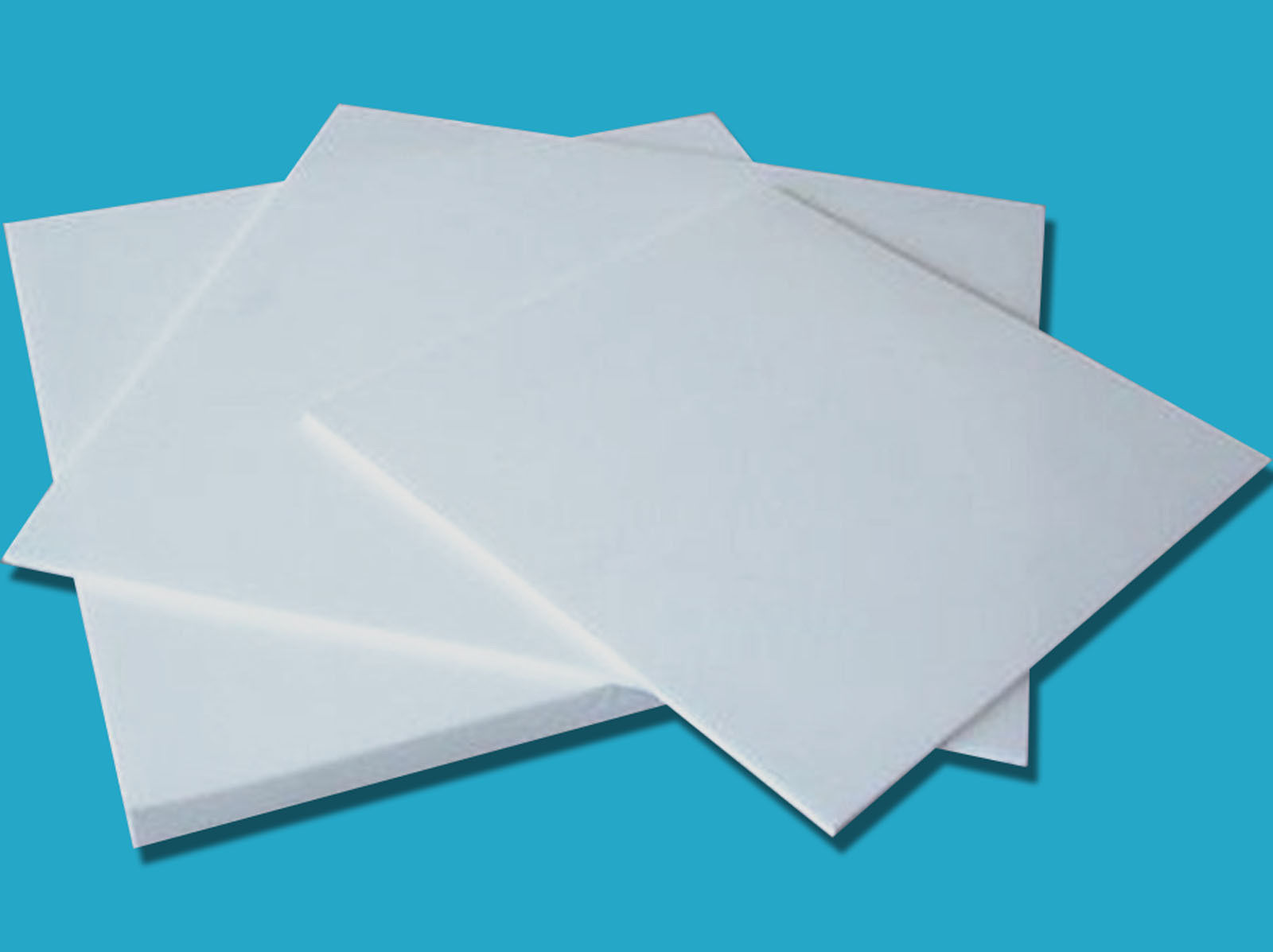
Payment Type: T/T,D/P,Paypal,Western Union Incoterm: FOB,CFR,CIF Min. Order: 100 Kilogram Delivery Time: 10 Days
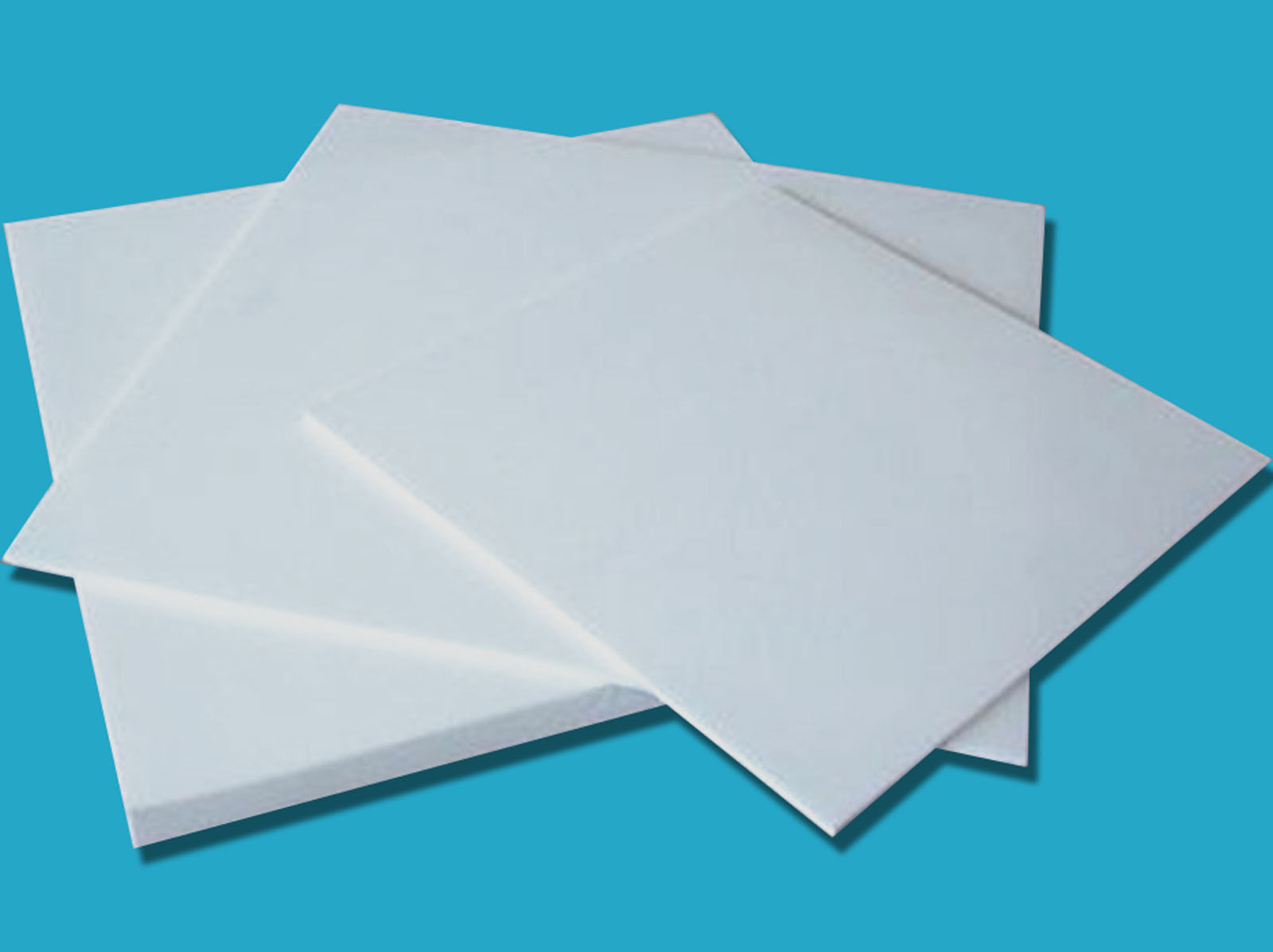
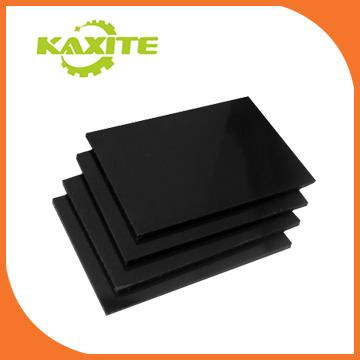
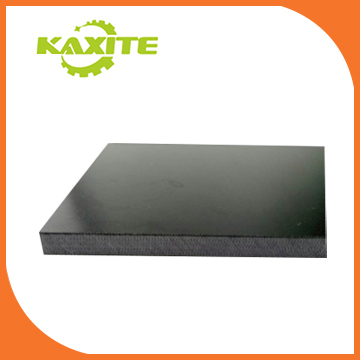
Discover Kaxite Sealing's innovative PTFE Teflon Sheet with Carbon Fibre, engineered for exceptional sealing performance. This high-strength material combines durability with low friction, ideal for industrial, automotive, and aerospace applications, ensuring reliability and efficiency while solving wear and corrosion issues. Stand out with its unique carbon fiber reinforcement, offering superior thermal stability and reduced maintenance.
Payment Type: T/T,D/P,Paypal,Western Union Incoterm: FOB,CFR,CIF Min. Order: 100 Kilogram Delivery Time: 10 Days