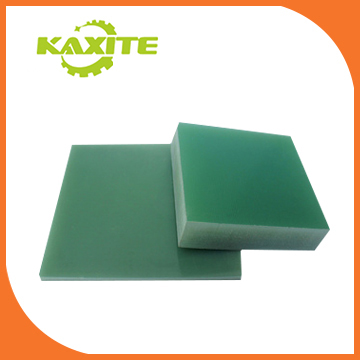
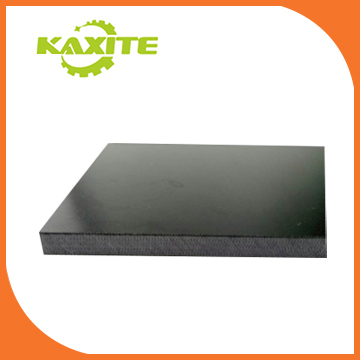
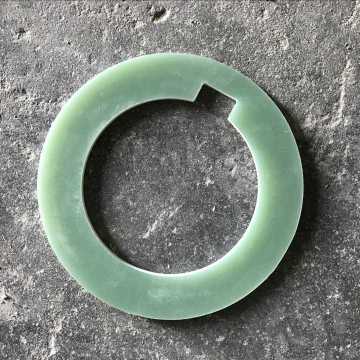
MC Nylon Sheet represents a significant advancement in engineering thermoplastics, offering a unique combination of high strength, wear resistance, and versatility. Also known as cast nylon or Type 6 nylon, this material is manufactured through a casting polymerization process, resulting in superior mechanical properties compared to standard extruded nylons. At Kaxite Sealing, we specialize in providing premium-grade MC Nylon Sheet solutions tailored for demanding industrial applications where performance and durability are non-negotiable.
MC Nylon Sheet is produced by anionic polymerization of caprolactam in a mold. This casting process allows for the creation of semi-finished products in large sizes and thicknesses that are often unattainable with conventional extrusion methods. The resulting material exhibits a higher molecular weight, which directly translates to enhanced physical properties such as excellent tensile strength, outstanding impact resistance, and superior fatigue endurance. Its low coefficient of friction and inherent self-lubricating characteristics make it an ideal choice for bearings, gears, wear pads, and other components subject to continuous motion and load.
Understanding the technical specifications is crucial for selecting the right material for your application. Below are the detailed parameters for our Kaxite Sealing MC Nylon Sheet.
| Property | Value / Rating | Standard / Test Method |
|---|---|---|
| Density | 1.15 - 1.16 g/cm³ | ISO 1183 |
| Water Absorption (24h, 23°C) | 1.8 - 2.0% | ISO 62 |
| Flammability Rating | UL94 V-2 | UL 94 |
| Resistance to Weak Acids | Good | - |
| Resistance to Alkalis | Excellent | - |
| Resistance to Oils & Greases | Excellent | - |
| Thickness (mm) | Width (mm) | Length (mm) | Standard Color |
|---|---|---|---|
| 5 - 50 | 1000 - 2000 | 2000 - 3000 | Natural / White |
| 50 - 100 | 1000 - 1500 | 1500 - 2000 | Natural / White |
| 100 - 200 | 1000 | 1000 - 1500 | Natural / White |
*Custom sizes, thicknesses, and colors (including black) are available upon request. Our sheets can be precision-machined into finished components per customer drawings.
Choosing Kaxite Sealing for your MC nylon needs ensures you receive a product engineered for excellence. Our sheets are characterized by:
The robust property profile of MC Nylon Sheet makes it indispensable across numerous industries. Common applications include:
Q: What is the main difference between MC Nylon (Cast Nylon) and standard Nylon 6 or Nylon 6/6?
A: The primary difference lies in the manufacturing process and resulting molecular structure. MC Nylon is produced via a casting process, leading to a higher molecular weight and crystallinity. This grants it significantly better mechanical properties, such as higher tensile strength, better wear resistance, and improved dimensional stability under load, compared to standard extruded Nylon 6 or 6/6. It can also be produced in much larger and thicker blocks.
Q: How does the water absorption of MC Nylon affect its performance?
A: Like all polyamides, MC Nylon absorbs moisture from the environment. This absorption can lead to a slight dimensional increase (swelling) and a reduction in stiffness, but it simultaneously improves toughness and impact resistance. For precision applications, it is often recommended to condition the material to a specific moisture content before final machining. Kaxite Sealing can provide guidance on conditioning procedures for your specific use case.
Q: Can MC Nylon Sheet be used in high-temperature environments?
A: MC Nylon has a continuous service temperature range of -40°C to +100°C. It can withstand short-term peaks higher than this. However, prolonged exposure to temperatures above 100°C will lead to a gradual loss of mechanical properties. For applications involving higher continuous temperatures, alternative high-temperature thermoplastics should be considered.
Q: Is MC Nylon Sheet suitable for food contact applications?
A: Yes, but specific grades must be used. Standard MC Nylon may contain additives not approved for food contact. Kaxite Sealing offers FDA-compliant and other food-grade versions of our MC Nylon Sheet that are manufactured with approved raw materials and are suitable for use in food processing and packaging machinery.
Q: How do I machine MC Nylon Sheet effectively?
A: MC Nylon is generally easy to machine using standard carbide-tipped tools. Use sharp tools, high cutting speeds, and low to moderate feed rates. Ensure adequate cooling with air or a mist to prevent heat buildup, which can soften the material. Providing sufficient support to prevent vibration or flexing during machining will help achieve the best surface finish and dimensional accuracy.
Q: What are the advantages of sourcing MC Nylon Sheet from Kaxite Sealing?
A: Kaxite Sealing is committed to quality and consistency. We source premium raw materials and employ stringent process controls to ensure every batch of MC Nylon Sheet meets high-performance standards. We offer extensive inventory, custom sizing and fabrication services, and expert technical support to help you select, design, and implement the optimal solution for your application, ensuring longevity and reliability.
Q: Can MC Nylon be bonded or welded to itself or other materials?
A: Yes, MC Nylon can be successfully bonded using specific industrial adhesives designed for polyamides, such as cyanoacrylates or two-part epoxy systems. Surface preparation is critical. It can also be welded using techniques like hot plate welding or vibration welding. For structural bonds, mechanical fastening is often a reliable and preferred method.
Q: Does MC Nylon Sheet require lubrication in bearing applications?
A: One of the key benefits of MC Nylon is its self-lubricating property due to its low coefficient of friction. In many applications, it can run dry without external lubrication. However, for extremely high-load, high-speed, or continuous operation applications, initial or occasional lubrication with water, grease, or oil can further enhance performance and service life.
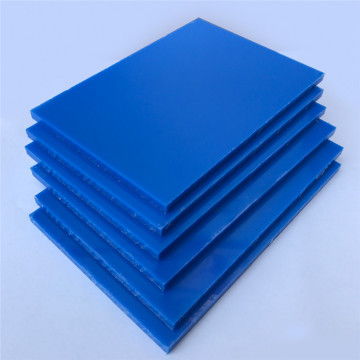
Blue Color NYLON Sheet MC 901 is the generic name for a family of long-chain polymeric amides. General characteristics of the Nylon Sheet MC 901 include toughness,strength,abrasion and fatigue resistance,low coefficient of friction,resiliency and heatresistance. Many of these properties can be enhanced by the addition of fillers such as molybdenum disulphide.Blue color MC cast are resistant to hydrocarbons,alkalies,keytones and esters.
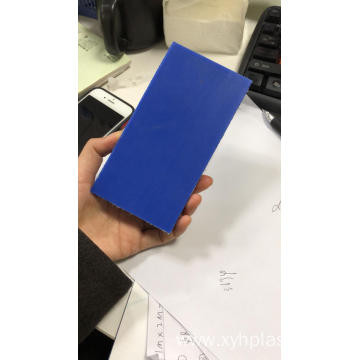
Blue MC901 NYLON Plates is the generic name for a family of long-chain polymeric amides. General characteristics of the MC Nylon Sheet include toughness,strength,abrasion and fatigue resistance,low coefficient of friction,resiliency and heatresistance. Many of these properties can be enhanced by the addition of fillers such as molybdenum disulphide.Blue color MC cast are resistant to hydrocarbons,alkalies,keytones and esters.
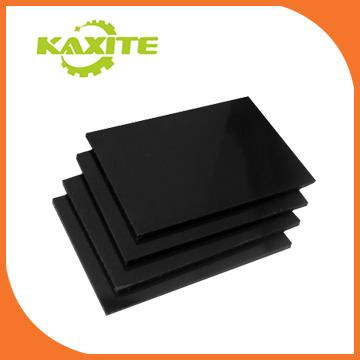
Grade 6PLA Black NYLON Sheet is the generic name for a family of long-chain polymeric amides. General characteristics of the 6PLA Nylon Sheet include toughness,strength,abrasion and fatigue resistance,low coefficient of friction,resiliency and heatresistance. Many of these properties can be enhanced by the addition of fillers such as molybdenum disulphide.Blue color MC cast are resistant to hydrocarbons,alkalies,keytones and esters.
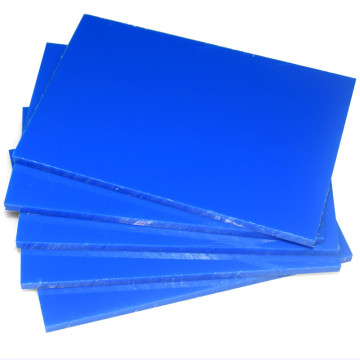
30mm Blue MC 901 NYLON Sheet is the generic name for a family of long-chain polymeric amides. General characteristics of the MC 901 Nylon Sheet include toughness,strength,abrasion and fatigue resistance,low coefficient of friction,resiliency and heatresistance. Many of these properties can be enhanced by the addition of fillers such as molybdenum disulphide.Blue color MC cast are resistant to hydrocarbons,alkalies,keytones and esters.
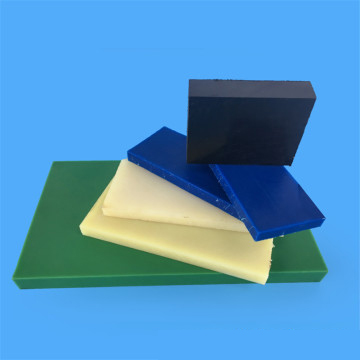
Thin 3mm NYLON Sheet is the generic name for a family of long-chain polymeric amides. Generalcharacteristics of the nylons include toughness,strength,abrasion and fatigue resistance,low coefficient of friction,resiliency and heatresistance. Many of these properties can be enhanced by the addition of fillers such as molybdenum disulphide.Nylons are resistant to hydrocarbons,alkalies,keytones and esters.