Polyvinyl Chloride, universally known as PVC, is one of the world's most versatile and widely produced synthetic polymers. A cornerstone of modern manufacturing, its unique combination of durability, chemical resistance, cost-effectiveness, and processability makes it an indispensable material across countless industries. At its core, PVC is created by polymerizing vinyl chloride monomers. In its raw form, it is a white, brittle solid. To transform it into the flexible, resilient products we rely on daily, various additives like plasticizers, stabilizers, and modifiers are incorporated. This adaptability allows PVC to be formulated into two primary types: rigid PVC (uPVC) for construction pipes and window frames, and flexible PVC for applications like wire insulation, medical tubing, and sealing profiles. For over six decades, Kaxite Sealing has harnessed the power of this remarkable polymer, engineering advanced PVC sealing solutions that meet the stringent demands of industrial, automotive, and architectural applications.
Selecting the right PVC material is critical for performance and longevity. Kaxite Sealing meticulously formulates its PVC compounds, controlling a precise set of parameters to ensure consistency, reliability, and superior performance in every batch. Below are the essential specifications that define our premium PVC sealing products.
For engineers, specifiers, and procurement professionals, here is a detailed comparison of standard Kaxite Sealing PVC grades. This table provides a clear, at-a-glance overview of our product capabilities.
| Property | Test Method | KX-PVC55 (Soft Seal) | KX-PVC70 (General Purpose) | KX-PVC85 (Rigid Gasket) | KX-PVC-FR (Flame Retardant) |
|---|---|---|---|---|---|
| Specific Gravity (g/cm³) | ASTM D792 | 1.32 ±0.02 | 1.38 ±0.02 | 1.42 ±0.02 | 1.45 ±0.02 |
| Hardness (Shore A) | ASTM D2240 | 55 ±5 | 70 ±5 | 85 ±5 | 75 ±5 |
| Tensile Strength (MPa) | ASTM D412 | ≥ 10.5 | ≥ 12.0 | ≥ 14.0 | ≥ 11.5 |
| Elongation at Break (%) | ASTM D412 | ≥ 350 | ≥ 250 | ≥ 200 | ≥ 220 |
| Compression Set, 22h @70°C (%) | ASTM D395 | ≤ 30 | ≤ 28 | ≤ 25 | ≤ 32 |
| Low Temp Brittleness | ASTM D746 | -25°C | -20°C | -15°C | -20°C |
| Flame Rating | UL 94 | HB | HB | HB | V-0 |
| Primary Application | - | Door & window seals, flexible gaskets | General industrial seals, automotive trim | Structural gaskets, panel seals | Electrical enclosures, mass transit, HVAC |
Q: What are the main advantages of using PVC for sealing applications?
A: PVC offers an outstanding balance of properties ideal for sealing. Its key advantages include excellent resistance to weathering, ozone, water, and a wide range of chemicals. It provides good elasticity and recovery, is highly durable, and is one of the most cost-effective sealing materials available. Furthermore, it can be easily extruded or molded into complex profiles and is available in a vast array of colors. Kaxite Sealing enhances these inherent benefits through precise compounding for consistent quality and performance.
Q: How does PVC compare to rubber (EPDM, Silicone) for seals and gaskets?
A: Each material has its strengths. PVC generally surpasses many rubbers in terms of resistance to oils, greases, and flame (when formulated accordingly). It is also more cost-effective and offers better color stability. However, high-quality rubber like EPDM typically has superior heat resistance (up to 150°C+) and extreme low-temperature flexibility, while silicone excels in extreme temperatures (-60°C to +230°C). The choice depends on the specific environmental, mechanical, and budgetary requirements of the application.
Q: Is PVC safe and environmentally friendly?
A: Modern, responsibly produced PVC is a safe material. The industry has made significant strides, particularly in moving away from heavy metal stabilizers like lead. Kaxite Sealing is committed to sustainable practices and offers compounds that comply with stringent international regulations such as REACH and RoHS. PVC is also recyclable, and many of our products can incorporate recycled content without compromising performance, supporting a circular economy.
Q: Can PVC seals be used for food or medical applications?
A: Standard PVC compounds are not suitable for direct food contact or medical implants. However, specialized, non-toxic, and phthalate-free PVC formulations exist that meet FDA (Food and Drug Administration) and other global pharmacopeia standards for specific applications, such as food packaging gaskets or medical device tubing. Kaxite Sealing can develop custom compounds for such regulated industries upon request and with full compliance documentation.
Q: How long do PVC seals typically last?
A> The service life of a PVC seal depends heavily on the operating environment. Under standard indoor conditions, a high-quality PVC seal from a reputable manufacturer like Kaxite Sealing can last 15 to 20 years or more. In harsh outdoor environments with constant UV exposure, temperature swings, and chemical contact, the lifespan may be 8 to 12 years. Proper formulation with UV stabilizers and antioxidants, as we employ, is crucial to maximizing longevity.
Q: How do I choose the right hardness (Shore A) for my application?
A> Hardness selection is crucial. A lower Shore A number (e.g., 55-65) indicates a softer, more compressible material ideal for sealing irregular surfaces or where high flexibility is needed (e.g., refrigerator doors, flexible conduit). A medium hardness (70-80) offers a good balance of sealability and structural support for most door, window, and panel gaskets. A higher hardness (85+) provides more rigidity and is used for structural spacers or gaskets in heavy-duty panels where compression force is high.
Q: What customizations does Kaxite Sealing offer for PVC profiles?
A> Kaxite Sealing specializes in full customization. Beyond our standard grades, we can tailor compounds for specific color matching, enhanced resistance to particular chemicals or fuels, improved low-temperature performance, or specific flame/smoke toxicity ratings. We also offer complete design and tooling services for custom extrusion profiles, ensuring the seal geometry perfectly matches your application requirements for optimal performance.
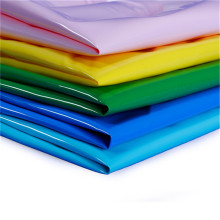
Payment Type: T/T,D/P,Paypal,Western Union Incoterm: FOB,CFR,CIF Min. Order: 30 Kilogram Delivery Time: 6 Days
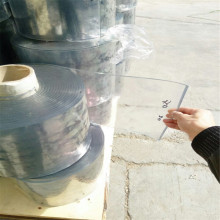
Payment Type: T/T,D/P,Paypal,Western Union Incoterm: FOB,CFR,CIF Min. Order: 100 Kilogram Delivery Time: 10 Days
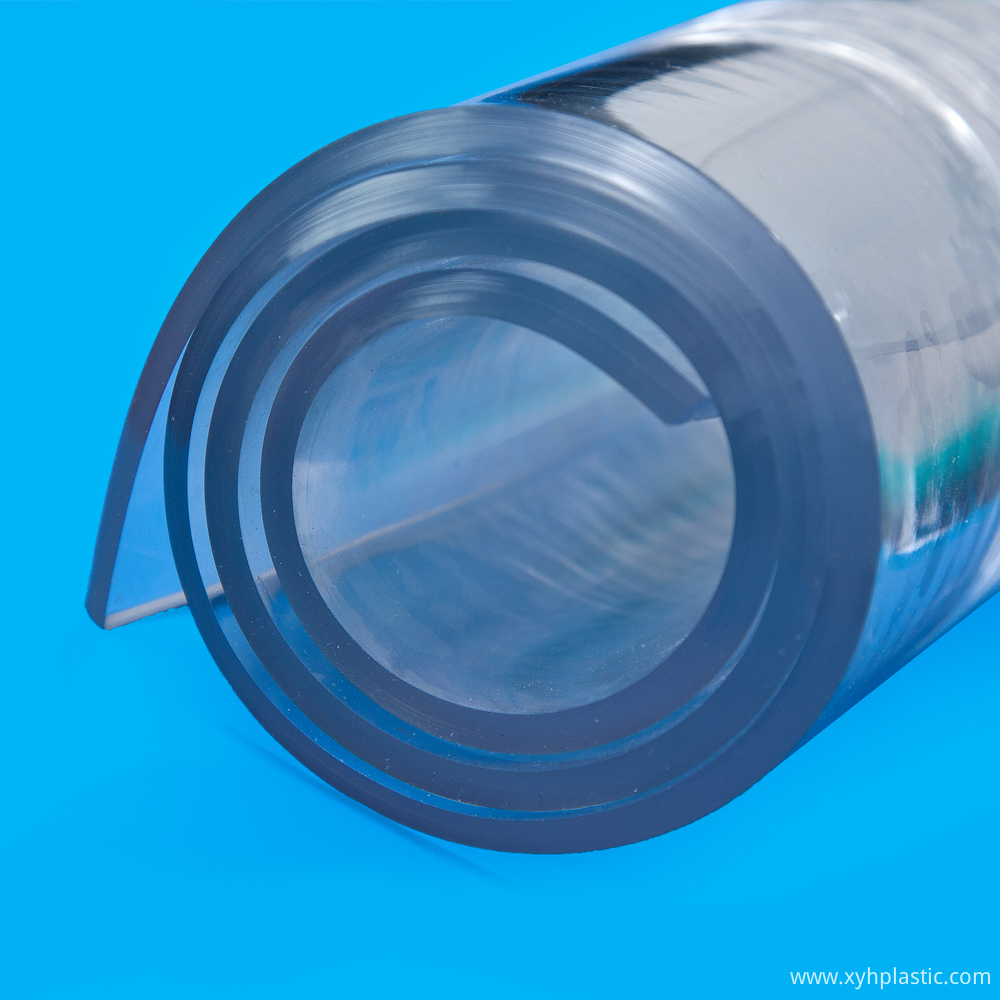
Payment Type: T/T,D/P,Paypal,Western Union Incoterm: FOB,CFR,CIF Min. Order: 100 Kilogram Delivery Time: 10 Days
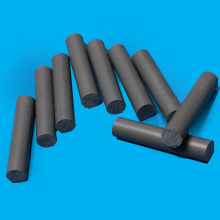
Payment Type: T/T,D/P,Paypal,Western Union Incoterm: FOB,CFR,CIF Min. Order: 10 Kilogram Delivery Time: 7 Days
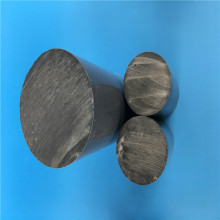
Payment Type: T/T,D/P,Paypal,Western Union Incoterm: FOB,CFR,CIF Min. Order: 10 Kilogram Delivery Time: 7 Days
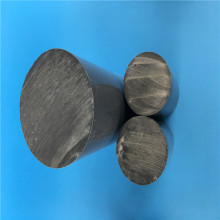
Payment Type: T/T,D/P,Paypal,Western Union Incoterm: FOB,CFR,CIF Min. Order: 10 Kilogram Delivery Time: 7 Days