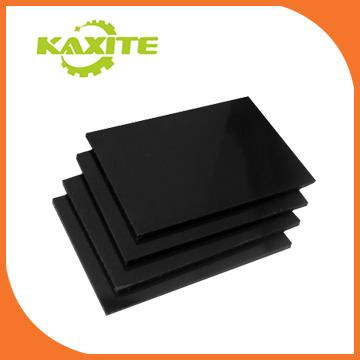
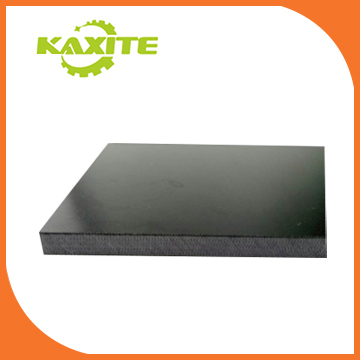
In the world of thermoplastics, Acrylonitrile Butadiene Styrene, universally known as ABS, stands out for its exceptional balance of properties. At Kaxite Sealing, we specialize in providing high-grade ABS sheets that meet the rigorous demands of various industries, from prototyping and fabrication to end-use applications. An ABS sheet is a robust, impact-resistant, and easily machinable plastic material formed by polymerizing styrene and acrylonitrile in the presence of polybutadiene. This unique composition gifts it with strength, rigidity, and excellent dimensional stability, making it a preferred alternative to metals in numerous scenarios. Its surface is hard and glossy, offering good aesthetic appeal alongside functional performance. Whether you are an engineer designing a durable housing, a fabricator creating custom parts, or a business requiring reliable components, understanding the full specification of our ABS sheets is crucial for project success.
Choosing the right material is fundamental. Our ABS sheets offer a compelling set of advantages that address common industrial challenges:
To ensure precise material selection, Kaxite Sealing provides ABS sheets with detailed, consistent specifications. Below is a summary of our standard material properties and available configurations.
| Property | Test Method | Typical Value | Unit |
|---|---|---|---|
| Density | ASTM D792 | 1.04 - 1.06 | g/cm³ |
| Tensile Strength (Yield) | ASTM D638 | 40 - 50 | MPa |
| Flexural Strength | ASTM D790 | 65 - 70 | MPa |
| Izod Impact Strength (Notched, 23°C) | ASTM D256 | 20 - 30 | kJ/m² |
| Heat Deflection Temperature (HDT) @ 1.82 MPa | ASTM D648 | 90 - 100 | °C |
| Rockwell Hardness | ASTM D785 | R 105 - 115 | - |
| Coefficient of Linear Thermal Expansion | ASTM E831 | 7.0 x 10⁻⁵ | cm/cm/°C |
| Standard Sheet Size (Width x Length) | Available Thickness Range | Standard Color |
|---|---|---|
| 48" x 96" (1220mm x 2440mm) | 0.060" to 2.0" (1.5mm to 50.8mm) | Natural (Off-White), Black |
| 36" x 48" (915mm x 1220mm) | 0.030" to 1.0" (0.76mm to 25.4mm) | Natural (Off-White), Black, White, Grey |
| 24" x 48" (610mm x 1220mm) | 0.020" to 0.5" (0.5mm to 12.7mm) | Natural (Off-White), Black, Custom Colors* |
*Custom colors are available for large-volume orders. Please contact Kaxite Sealing sales for inquiries.
Q: What are the most common applications for ABS sheets?
A: ABS sheets are incredibly versatile. Common applications include: automotive interior trim and components (dashboard parts, consoles), protective equipment and gear (helmets, guards), enclosures for electronic equipment and appliances, prototypes and models for fit and function testing, piping systems and fittings, luggage and carrying cases, point-of-purchase displays, and custom fabricated parts for machinery. Its ease of forming and painting also makes it popular in the signage and creative industries.
Q: How does ABS plastic perform outdoors or with UV exposure?
A: Standard ABS has limited resistance to prolonged ultraviolet (UV) light exposure, which can lead to color fading, surface chalking, and a reduction in impact strength over time. For outdoor applications, Kaxite Sealing recommends or can supply UV-stabilized ABS grades. These sheets contain additives that significantly improve weatherability and extend the service life of the product when used outdoors.
Q: Can ABS sheets be thermoformed or bent?
A: Yes, ABS has excellent thermoforming capabilities. It can be heated (typically between 130°C to 160°C / 266°F to 320°F) until pliable and then formed over a mold using vacuum, pressure, or mechanical means. For simple bends, strip heaters are commonly used to heat a specific line before bending to the desired angle. Proper heating and controlled cooling are key to achieving a strong, stress-free form.
Q: What is the best way to cut and machine ABS sheets?
A: ABS machines very well with standard tools. For cutting, circular saws, band saws, jigsaws, and CNC routers with carbide-tipped blades/bits work excellently. Use moderate feed rates and ensure the material is securely clamped. For drilling, standard twist drills are sufficient; peck drilling is advised for deeper holes to clear chips. To achieve a smooth, polished edge, you can sand progressively with finer grits (up to 600-grit or higher) and then buff with a plastic polishing compound.
Q: How do I join or bond ABS parts together?
A: Several effective methods exist for bonding ABS. The most common is solvent cementing, where a specific ABS cement (like methyl ethyl ketone - MEK or acetone-based) is applied to soften the surfaces, which then fuse together as the solvent evaporates, creating a very strong, often hermetic bond. For structural bonds, two-part epoxies or cyanoacrylate super glues (for smaller areas) are also very effective. Mechanical fastening with screws, bolts, or rivets is another reliable option, especially for assemblies that may need disassembly.
Q: What is the temperature range for continuous use of ABS?
A: While the Heat Deflection Temperature (HDT) is around 90-100°C under load, the recommended maximum continuous service temperature for ABS is typically between 70°C to 80°C (158°F to 176°F). At temperatures approaching its glass transition point (approx. 105°C), it will begin to soften significantly. It remains impact-resistant down to approximately -20°C (-4°F), though it can become more brittle at extremely low temperatures.
Q: How does Kaxite Sealing ensure the quality of its ABS sheets?
A: Kaxite Sealing is committed to quality assurance. Our ABS sheets are sourced from reputable resin producers and manufactured under strict process controls. We conduct batch testing for key properties like impact strength, dimensional accuracy, and visual quality. Certificates of Compliance (CoC) are available upon request. Our technical support team can also assist with material selection and application-specific questions to ensure you receive the optimal grade for your project.
Q: Is ABS sheet flammable?
A: Like many thermoplastics, ABS is combustible. It typically carries a UL94 HB flammability rating, meaning it will burn slowly in a horizontal position. For applications requiring higher flame resistance, flame-retardant (FR) grades of ABS are available, which can achieve ratings like UL94 V-0 or V-2. It is essential to select the material grade that complies with the specific fire safety regulations of your industry and application.
Selecting between ABS and other common plastics is a critical step. Here’s a brief comparison to aid your decision:
For expert guidance on material selection tailored to your specific load, environmental, and regulatory requirements, the Kaxite Sealing technical team is ready to assist.
To achieve the best results when working with Kaxite Sealing ABS sheets, follow these professional guidelines:
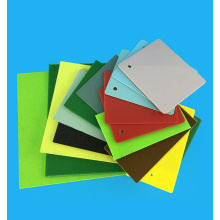
Engineering Plastic ABS Sheets Thermoforming Engineering Plastic ABS Sheets Thermoforming is made of 100% pure virgin nature abs material. Engineering plastic ABS Sheets has excellent performance in both physical and chemical properties.Plastic ABS Sheets can be applied in industries for its wondeful impact strength, stability, thermoforming, rigidity, agidity and acid-resistence. ABS Sheets Thermoforming.
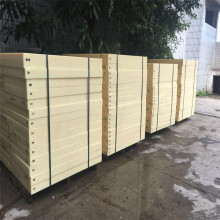
Excellent Adhesive 100% Virgin ABS Sheet and plastic to keep an ester composition of the material is the biggest heavy quality, poor thermal conductivity. The temperature between the molding temperature it depends on both raw materials, is 240--265 degrees, the temperature is too high, ABS will decompose liquidity too low PC material is poor. 100% Virgin Abs Sheet has good chemical and stress resistance .It combines toughness with rigidity and creep resistance .Easily thermoformed resulting in excellent mould detail .Easily machined , die cut , routed , sanded , buffed and polished.
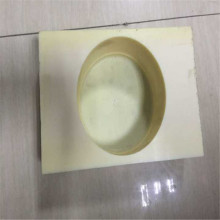
Hard Close Tolerance Easily Processing ABS Sheet and plastic to keep an ester composition of the material is the biggest heavy quality, poor thermal conductivity. The temperature between the molding temperature it depends on both raw materials, is 240--265 degrees, the temperature is too high, ABS will decompose liquidity too low PC material is poor. Easily Processing Abs Sheet has good chemical and stress resistance .It combines toughness with rigidity and creep resistance .Easily thermoformed resulting in excellent mould detail .Easily machined , die cut , routed , sanded , buffed and polished.