In the world of high-performance thermoplastics, PEEK stands as a preeminent material, renowned for its exceptional properties. Polyetheretherketone, commonly known as PEEK, is a semi-crystalline, organic thermoplastic polymer. Its unique molecular structure grants it an outstanding combination of mechanical strength, thermal stability, and chemical resistance, making it a superior alternative to metals and other plastics in demanding environments. For over two decades, Kaxite Sealing has been at the forefront of engineering and supplying premium-grade PEEK components, leveraging our deep material science expertise to deliver solutions that meet the most rigorous industrial challenges.
The widespread adoption of PEEK across aerospace, medical, automotive, and semiconductor industries is driven by its unparalleled set of characteristics:
At Kaxite Sealing, we offer a comprehensive portfolio of PEEK formulations, each engineered for specific performance needs. Our commitment to quality ensures consistent material properties batch after batch.
| Property | ASTM Test Method | Units | Value (Virgin PEEK) | Value (30% Glass-Filled PEEK) | Value (30% Carbon-Filled PEEK) |
|---|---|---|---|---|---|
| Tensile Strength | D638 | MPa (psi) | 100 (14,500) | 165 (24,000) | 215 (31,200) |
| Flexural Modulus | D790 | GPa (psi x 10^6) | 3.8 (0.55) | 10.0 (1.45) | 20.0 (2.90) |
| Heat Deflection Temp. @ 1.8 MPa | D648 | °C (°F) | 160 (320) | 315 (599) | 315 (599) |
| Continuous Service Temperature | - | °C (°F) | 250 (482) | 250 (482) | 250 (482) |
| Coefficient of Friction | D1894 | - | 0.3 - 0.4 | 0.3 - 0.35 | 0.15 - 0.25 |
| Water Absorption (24h) | D570 | % | 0.1 - 0.5 | 0.1 - 0.3 | 0.06 - 0.1 |
| Density | D792 | g/cm³ | 1.30 | 1.54 | 1.44 |
Q: What are the main advantages of using PEEK over metal components?
A: PEEK offers several critical advantages: significant weight reduction (about 70% lighter than steel), inherent corrosion resistance eliminating the need for coatings, excellent resistance to galvanic corrosion, noise reduction, and the ability to function without external lubrication in many cases. It also simplifies complex geometries through injection molding, reducing assembly part counts and machining costs.
Q: Can PEEK be sterilized, and is it safe for medical use?
A: Yes, PEEK is exceptionally well-suited for medical applications. It can withstand all standard sterilization methods, including autoclaving (steam sterilization at 134°C), gamma radiation, ethylene oxide (EtO), and hydrogen peroxide plasma. Kaxite Sealing's KX-PEEK-MD grade is specifically manufactured and tested to meet stringent standards such as ISO 10993 for biocompatibility and USP Class VI, making it safe for long-term implantable devices, surgical tools, and diagnostic equipment.
Q: How does the chemical resistance of PEEK compare to other high-performance plastics like PTFE or PPS?
A: PEEK offers a more balanced and robust chemical resistance profile. While PTFE is virtually inert, it lacks the mechanical strength and creep resistance of PEEK. PPS has good chemical resistance but lower toughness and thermal capability. PEEK resists a wide range of organic and inorganic chemicals, including oils, greases, hydraulic fluids, and most acids and bases at elevated temperatures. Its key advantage is maintaining its excellent mechanical properties even after prolonged chemical exposure, which PTFE and PPS cannot always match.
Q: What are the key design considerations when switching to PEEK from another material?
A: When designing with PEEK, consider its coefficient of thermal expansion, which is higher than metals but lower than many other plastics. Proper clearance fits for bearings and seals are crucial. For snap-fits or living hinges, account for its high fatigue endurance. Machining PEEK requires sharp, positive-rake tools and adequate cooling to prevent melting or residual stress. For injection-molded parts, gate location and mold temperature control are vital to minimize warpage and achieve optimal crystallinity for the best mechanical performance. Kaxite Sealing's engineering team provides full design support to ensure a successful transition.
Q: Is PEEK electrically conductive or insulating?
A: Virgin PEEK is an excellent electrical insulator with a high dielectric strength. However, Kaxite Sealing offers compounded grades to tailor conductivity. Our KX-PEEK-CF30 (30% carbon fiber) provides static dissipation and moderate conductivity. For applications requiring electromagnetic interference (EMI) shielding or higher conductivity, we can supply specially formulated grades with conductive fillers like carbon fiber, carbon black, or nickel-coated graphite to meet specific surface resistivity or volume resistivity targets.
Q: What are the limitations of PEEK material?
A: While PEEK is exceptionally versatile, it does have limitations. It is susceptible to degradation by concentrated sulfuric acid and certain halogens at high temperatures. It has a lower impact strength at very low temperatures compared to some polyethylenes. The raw material cost is higher than many engineering plastics, though the total cost of ownership is often lower due to longevity and performance. It also requires higher processing temperatures (around 370-400°C for molding), necessitating specialized equipment. For UV resistance in prolonged outdoor exposure, stabilized grades are recommended.
Q: How does Kaxite Sealing ensure the quality and traceability of its PEEK products?
A: Quality is foundational at Kaxite Sealing. We source polymer from leading, certified producers. Our entire manufacturing process, from compounding to machining and molding, is under strict ISO 9001:2015 quality management. Each batch of material is fully tested, and Certificates of Analysis (CoA) are provided with every order. For critical industries like aerospace (AS9100) and medical (ISO 13485), we offer full material traceability back to the original resin lot, along with comprehensive documentation packages to support your regulatory and quality requirements.
The robust property profile of PEEK makes it the material of choice for critical components across diverse sectors. Kaxite Sealing manufactures precision parts that reliably perform under extreme conditions.
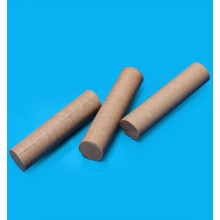
Payment Type: T/T,D/P,Paypal,Western Union Incoterm: FOB,CFR,CIF Min. Order: 500 Kilogram Delivery Time: 10 Days
Payment Type: T/T,D/P,Paypal,Western Union Incoterm: FOB,CFR,CIF Min. Order: 500 Kilogram Delivery Time: 10 Days
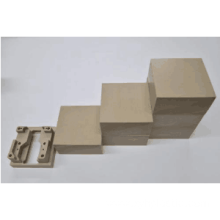
Payment Type: T/T,Paypal,Western Union Incoterm: FOB,CFR,CIF Min. Order: 5 Kilogram Delivery Time: 3 Days