In the world of industrial materials, few substances offer the remarkable combination of versatility, durability, and performance that PU (Polyurethane) does. As a leading innovator in sealing solutions, Kaxite Sealing has harnessed the advanced properties of polyurethane to engineer products that meet the most demanding applications. From extreme temperature resistance to exceptional abrasion tolerance, PU stands as a cornerstone material for industries ranging from automotive and aerospace to manufacturing and construction. This article delves deep into the technical specifications, benefits, and applications of PU, providing a comprehensive resource developed from decades of material science expertise at Kaxite Sealing.
Polyurethane is a polymer composed of organic units joined by urethane links. Its key characteristic is its tailorability; its physical properties can be precisely engineered by varying the types and ratios of its base components—polyols and isocyanates. This allows Kaxite Sealing to formulate PU compounds with specific attributes for targeted uses.
Kaxite Sealing manufactures a diverse portfolio of PU products. The parameters below represent a standard high-performance grade. Specific formulations for custom requirements are available.
| Property | Test Standard | Typical Value (Metric) | Typical Value (Imperial) | Notes |
|---|---|---|---|---|
| Hardness (Shore A) | ASTM D2240 | 90 A ± 5 | 90 A ± 5 | Available from 60A to 95A on request. |
| Tensile Strength | ASTM D412 | 45 MPa | 6,500 psi | Indicates high strength before breaking. |
| Elongation at Break | ASTM D412 | 500% | 500% | Demonstrates exceptional elasticity. |
| Tear Strength (Die C) | ASTM D624 | 90 kN/m | 515 pli | Excellent resistance to nick and tear propagation. |
| Compression Set (22 hrs @ 70°C) | ASTM D395 Method B | 15% | 15% | Low permanent deformation after compression. |
| Operating Temperature Range | - | -40°C to +100°C | -40°F to +212°F | Short peaks up to 120°C (248°F) possible. |
| Rebound Resilience | ASTM D2632 | 40% | 40% | Good energy return, dampens vibration. | Abrasion Resistance (Taber) | ASTM D4060 (CS-17 wheel) | 50 mg loss | 50 mg loss | Superior to most conventional rubbers. |
| Oil Resistance (ASTM #3 Oil, 70hrs @ 100°C) | ASTM D471 | Volume Change: +8% | Volume Change: +8% | Minimal swelling, properties retained. |
Q: What is the primary difference between polyester-based and polyether-based PU?
A: The core difference lies in their chemical resistance and application. Polyester-based PU (which Kaxite Sealing uses for our KX-PU standard series) offers superior mechanical properties, including exceptional abrasion, tear, and oil resistance. It is ideal for hydraulic seals, gaskets, and industrial parts exposed to fuels and lubricants. Polyether-based PU (like our KX-PU-ETHER) provides outstanding resistance to hydrolysis (water degradation), microbial attack, and oxidation, making it the preferred choice for applications in wet environments, marine uses, or where frequent water immersion occurs.
Q: How does PU compare to Nitrile Rubber (NBR) for sealing applications?
A: While NBR is an excellent, cost-effective material with good oil resistance, PU from Kaxite Sealing typically outperforms it in several key areas. PU has significantly higher abrasion resistance (often 5-10 times better), superior tensile strength, and better tear resistance. This translates to longer service life in dynamic, high-wear applications like piston seals, rod wipers, and scraper rings. However, NBR may have a slightly wider effective temperature range for certain low-cost, static applications. For demanding, moving parts, PU is often the superior technical choice.
Q: Can PU be used for food-grade or medical applications?
A: Standard industrial PU compounds are not suitable for direct food contact or medical implants. However, Kaxite Sealing can formulate specialty polyurethane grades using FDA-listed raw materials (per 21 CFR 177.1680 & 177.2600) for applications requiring food contact compliance. These specialized grades must be developed and certified for the specific application, contact medium, and temperature conditions. We advise consulting directly with our engineering team for such requirements.
Q: What are the limitations of PU material?
A: Despite its strengths, PU has certain limitations. Continuous exposure to temperatures above 100-120°C (212-248°F) can lead to gradual hardening and loss of properties. It is generally not recommended for prolonged use in strong acids, bases, or steam. Some ester-based PUs can be susceptible to hydrolysis in constantly hot, wet environments—a scenario where our polyether-based grades are specified. Additionally, its high performance often comes at a higher material cost compared to standard rubbers.
Q: How does Kaxite Sealing ensure the quality and consistency of its PU products?
A: Kaxite Sealing employs a rigorous quality assurance protocol from raw material to finished part. We source premium, certified polymers and curatives. Our production involves precise, computer-controlled metering and mixing equipment to ensure batch-to-batch consistency. Every production run undergoes testing for key parameters like hardness, tensile strength, and specific gravity. Furthermore, we perform regular accelerated aging and application-specific performance testing to validate that our PU compounds meet the documented specifications and real-world demands.
Q: Can Kaxite Sealing produce custom-colored PU parts?
A: Yes, absolutely. While standard colors are typically black, white, or natural, we can incorporate colorants to produce PU components in a wide range of colors for part identification, branding, or aesthetic purposes. It is important to note that the addition of colorants must be evaluated to ensure no negative impact on the material's key physical properties. Our technical team can guide you on the feasibility for your application.
Q: What are the typical lead times for custom-molded PU seals or components?
A: Lead times at Kaxite Sealing depend on the complexity of the part and the order volume. For standard items or using existing molds, lead times can be as short as 2-4 weeks. For new custom components requiring tool design and mold fabrication, the initial lead time may range from 6-10 weeks. We prioritize efficient communication and project management to provide accurate timelines and expedite delivery where possible. We recommend contacting our sales department with your specific part drawing for a precise quotation and schedule.
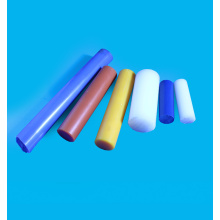
Payment Type: T/T,D/P,Paypal,Western Union Incoterm: FOB,CFR,CIF Min. Order: 100 Kilogram Delivery Time: 10 Days
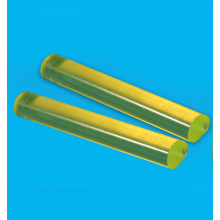
Payment Type: T/T,D/P,Paypal,Western Union Incoterm: FOB,CFR,CIF Min. Order: 100 Kilogram Delivery Time: 10 Days
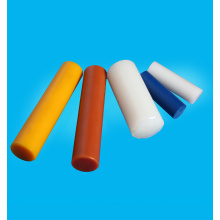
Payment Type: T/T,D/P,Paypal,Western Union Incoterm: FOB,CFR,CIF Min. Order: 100 Kilogram Delivery Time: 10 Days
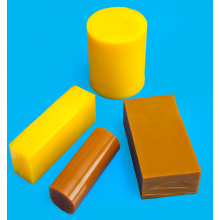
Payment Type: T/T,D/P,Paypal,Western Union Incoterm: FOB,CFR,CIF Min. Order: 100 Kilogram Delivery Time: 10 Days
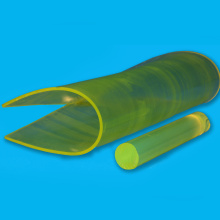
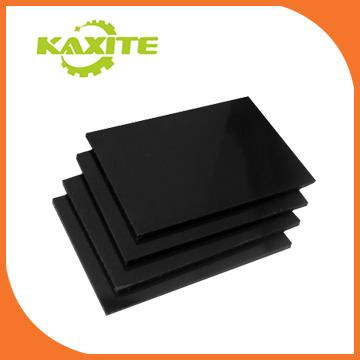
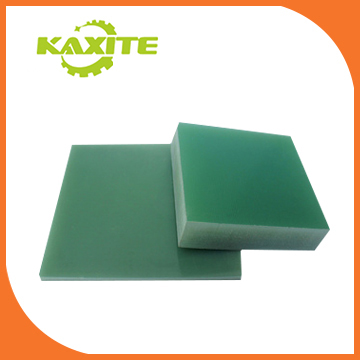
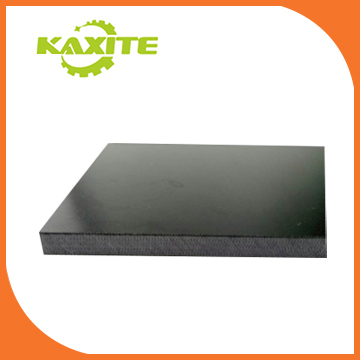
Discover Kaxite Sealing's customized size 500*500 MM PU sheet, a versatile sealing solution crafted for precision applications. Offering superior durability, flexibility, and seamless protection, it meets industrial and DIY needs with tailored excellence. Stand out from standard options with this quality product that ensures reliability and satisfaction, empowering users to tackle projects confidently. Elevate your sealing tasks with a trusted choice that delivers performance and peace of mind.
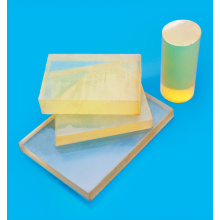
Payment Type: T/T,D/P,Paypal,Western Union Incoterm: FOB,CFR,CIF Min. Order: 100 Kilogram Delivery Time: 10 Days