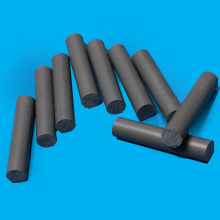
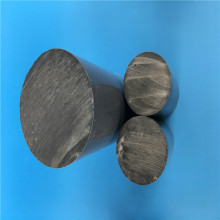
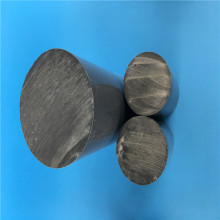
PVC Rod, or Polyvinyl Chloride Rod, is a high-performance industrial material formed by extruding a compound of PVC resin and specialized additives into solid, cylindrical profiles. Renowned for its excellent chemical resistance, electrical insulation properties, and inherent flame retardancy, it serves as a versatile stock shape for machining custom components. Unlike commodity plastics, high-quality extruded PVC rods from manufacturers like Kaxite Sealing offer superior dimensional stability, consistent density, and a smooth, uniform surface finish, making them ideal for precision fabrication. These rods are indispensable across sectors such as fluid handling, electrical systems, chemical processing, and signage, where durability and reliability in demanding environments are non-negotiable.
Understanding the precise specifications of PVC rod is crucial for engineers and procurement specialists to ensure material suitability for their application. Below are the detailed product parameters for Kaxite Sealing's premium PVC rods.
| Nominal Diameter (Inches) | Nominal Diameter (mm) | Standard Length (Feet) | Standard Length (Meters) | Tolerance |
|---|---|---|---|---|
| 1/4" | 6.35 | 6', 8', 10' | 1.83, 2.44, 3.05 | ±0.005" / ±0.13mm |
| 1/2" | 12.7 | 6', 8', 10' | 1.83, 2.44, 3.05 | ±0.005" / ±0.13mm |
| 3/4" | 19.05 | 6', 8', 10' | 1.83, 2.44, 3.05 | ±0.007" / ±0.18mm |
| 1" | 25.4 | 6', 8', 10' | 1.83, 2.44, 3.05 | ±0.010" / ±0.25mm |
| 1.5" | 38.1 | 6', 8' | 1.83, 2.44 | ±0.015" / ±0.38mm |
| 2" | 50.8 | 6', 8' | 1.83, 2.44 | ±0.020" / ±0.51mm |
| 3" | 76.2 | 4', 6' | 1.22, 1.83 | ±0.030" / ±0.76mm |
| 4" | 101.6 | 4', 6' | 1.22, 1.83 | ±0.040" / ±1.02mm |
| 6" | 152.4 | 4' | 1.22 | ±0.060" / ±1.52mm |
Custom diameters, lengths, and tolerance packages are available upon request from Kaxite Sealing.
Kaxite Sealing PVC rods exhibit outstanding resistance to a wide range of corrosive agents, making them superior to many metals and other plastics in harsh chemical environments.
| Chemical Family | Resistance Rating | Examples | Notes |
|---|---|---|---|
| Acids (Inorganic) | Excellent | Hydrochloric, Sulfuric, Nitric (varying concentrations) | Superior to stainless steel in many acid applications. |
| Bases (Alkalis) | Excellent to Good | Sodium Hydroxide, Potassium Hydroxide, Ammonia | High resistance at room temperature; consult charts for elevated temperatures. |
| Salts | Excellent | Sodium Chloride, Calcium Chloride, Ferric Chloride | Ideal for marine and plating applications. |
| Alcohols & Glycols | Good | Methanol, Ethanol, Ethylene Glycol | Limited swelling may occur with some alcohols. |
| Aliphatic Hydrocarbons | Excellent | Diesel, Gasoline, Mineral Oils | Excellent resistance to fuels and lubricants. |
| Aromatic Hydrocarbons | Poor | Benzene, Toluene, Xylene | Not recommended; will cause severe softening/swelling. |
| Halogenated Solvents | Poor | Chloroform, Methylene Chloride, Trichloroethylene | Strong solvents will attack PVC. |
| Oxidizing Agents | Fair to Good | Bleach (Sodium Hypochlorite), Hydrogen Peroxide | Resistance depends on concentration and temperature. |
What is the main difference between PVC rod and PVC sheet?
The primary difference is the form factor and typical usage. PVC rod is a solid cylindrical profile designed to be machined (turned, milled, drilled) into three-dimensional parts like shafts, spacers, and valve components. PVC sheet is a flat plate used for fabrication via cutting, routing, or welding into panels, tanks, and ductwork. While made from similar compounds, rods are optimized for stability during machining, whereas sheets are optimized for flatness and weldability.
Can Kaxite Sealing PVC rods be used outdoors or in UV-exposed applications?
Standard gray PVC rod has limited UV resistance and may experience surface chalking and slight embrittlement with prolonged, direct outdoor exposure. For permanent outdoor use, we recommend specifying our UV-stabilized formulations or applying a protective paint coating. For indoor applications or protected outdoor settings, standard grades perform perfectly.
How does your PVC rod perform in terms of machining compared to materials like acrylic or nylon?
Kaxite Sealing PVC rod is renowned for its excellent machinability. It cuts cleanly with standard metalworking tools, producing tight tolerances and a smooth finish without melting or gumming up tools, which can be an issue with some thermoplastics. It is more rigid and less prone to deflection during machining than nylon and is less brittle and easier to tap and thread than acrylic. Always use sharp tools, adequate coolant/lubrication (water-soluble oil is fine), and proper feeds and speeds for optimal results.
Is your PVC rod suitable for potable water or food contact applications?
We offer specific FDA-compliant grades in approved colors (typically white or natural) that are formulated to meet relevant standards for incidental food contact. It is critical to specify this requirement when ordering. Our standard industrial gray rod is not rated for food contact and should only be used in industrial applications.
What are the best methods for joining or bonding PVC rod components?
The most common and strongest method is solvent welding using a dedicated PVC cement/glue, which chemically fuses the material at the joint. For mechanical fastening, threading and using PVC or metal fittings is effective. Epoxy adhesives designed for plastics can also be used, especially for dissimilar material bonding. Always ensure surfaces are clean and properly prepared for any bonding process.
Does Kaxite Sealing offer custom colors or formulations for specific properties?
Yes, as a specialized manufacturer, Kaxite Sealing provides custom compounding services. We can produce PVC rods in various colors for coding or aesthetic purposes. We can also adjust formulations to enhance specific properties such as impact modification for greater toughness, increased UV stabilization, or static dissipation. Minimum order quantities apply for custom formulations.
What is the lead time for standard and custom-sized PVC rod orders?
For standard diameters and lengths from our stocked inventory, lead times are typically 3-5 business days for processing and shipping. For custom diameters (outside the standard size chart), special tolerances, or custom formulations, lead times range from 4 to 6 weeks depending on the order volume and specific requirements. Our sales team provides precise lead time quotes with every order acknowledgment.
How should I store PVC rods to prevent warping or damage?
PVC rods should be stored horizontally on a flat, supportive rack or shelf in a cool, dry, and shaded environment away from direct sunlight, heat sources, and chemicals. Avoid standing rods vertically for long periods, as this can lead to bowing. They should also be kept in their original protective packaging until ready for use to prevent surface scratches and dust accumulation.
Payment Type: T/T,D/P,Paypal,Western Union Incoterm: FOB,CFR,CIF Min. Order: 10 Kilogram Delivery Time: 7 Days
Payment Type: T/T,D/P,Paypal,Western Union Incoterm: FOB,CFR,CIF Min. Order: 10 Kilogram Delivery Time: 7 Days
Payment Type: T/T,D/P,Paypal,Western Union Incoterm: FOB,CFR,CIF Min. Order: 10 Kilogram Delivery Time: 7 Days