In the realm of precision engineering and industrial manufacturing, the selection of materials is paramount. Among the various high-performance polymers available, POM rod, or Polyoxymethylene rod, stands out as a premier choice for components requiring exceptional dimensional stability, low friction, and high mechanical strength. At Kaxite Sealing, we specialize in providing top-tier POM rod materials that meet the rigorous demands of industries worldwide. This engineered thermoplastic, often referred to as acetal, is renowned for its metal-like properties, including stiffness, hardness, and resilience, making it an ideal substitute for metals in numerous applications where weight reduction, corrosion resistance, and noise dampening are critical.
Our commitment at Kaxite Sealing is to deliver POM rods that are not just materials but solutions. We understand that engineers and designers need reliable data and clear specifications to make informed decisions. Therefore, this guide delves deep into the properties, specifications, and applications of our POM rod products, presented with the professional detail you require.
The superior performance of POM stems from its unique molecular structure. Below is a detailed list of the core properties that define our high-quality POM rods:
To ensure compatibility and performance for your specific project, here are the detailed technical specifications for standard Kaxite Sealing POM rods. We offer both homopolymer (POM-H) and copolymer (POM-C) grades to suit different needs.
| Property | Test Standard | POM-H (Homopolymer) | POM-C (Copolymer) | Unit |
|---|---|---|---|---|
| Density | ISO 1183 | 1.42 | 1.41 | g/cm³ |
| Tensile Strength (Yield) | ISO 527 | 70 | 62 | MPa |
| Flexural Modulus | ISO 178 | 3100 | 2800 | MPa |
| Impact Strength, Notched (23°C) | ISO 179/1eA | 7.5 | 9.0 | kJ/m² |
| Coefficient of Friction (Dynamic) | ASTM D1894 | 0.1 - 0.3 | 0.15 - 0.35 | - |
| Continuous Service Temperature | - | -40 to 90°C | -40 to 100°C | °C |
| Water Absorption (24h, 23°C) | ISO 62 | 0.20 | 0.22 | % |
| Diameter (mm) | Diameter (inches) | Standard Length (mm) | Standard Length (inches) |
|---|---|---|---|
| 5 - 20 | 0.197" - 0.787" | 1000 | 39.37" |
| 20 - 50 | 0.787" - 1.969" | 1000 / 2000 | 39.37" / 78.74" |
| 50 - 150 | 1.969" - 5.906" | 1000 | 39.37" |
| 150 - 300 | 5.906" - 11.811" | 500 / 1000 | 19.69" / 39.37" |
Custom diameters and lengths are available upon request. Our POM rods are typically supplied in natural white/off-white color, but black and other colored rods can be produced for specific orders.
The versatile property profile of POM rod makes it indispensable across multiple sectors. Here are the key industries and applications:
What is the difference between POM-H (homopolymer) and POM-C (copolymer)?
POM-H generally offers higher mechanical strength, rigidity, and hardness, along with better fatigue resistance and creep resistance. POM-C provides better thermal stability, improved chemical resistance (especially to alkaline environments), and lower tendency for continuous degradation. For most general mechanical applications, POM-H is preferred. For applications requiring higher thermal stability or exposure to specific chemicals, POM-C is the better choice.
How does POM rod compare to Nylon (PA) rod?
POM has lower moisture absorption, resulting in superior dimensional stability compared to nylon. It is generally stiffer, has a lower coefficient of friction, and is more resistant to creep. Nylon typically offers higher impact strength and better abrasion resistance in some grades. POM is often chosen for precision parts where consistent dimensions are critical, while nylon may be selected for tougher, more impact-prone environments.
Can POM rod withstand outdoor UV exposure?
Standard, unmodified POM has poor resistance to prolonged UV exposure, which can lead to surface degradation, chalking, and loss of mechanical properties. For outdoor applications, Kaxite Sealing recommends or can supply UV-stabilized grades of POM that contain additives to significantly improve weatherability and extend service life.
What are the best practices for machining POM rod?
Use sharp, positive-rake tools (carbide or high-speed steel) to achieve a good surface finish. Maintain high cutting speeds with moderate feed rates. Use compressed air or a coolant to dissipate heat, although POM generates less heat than many metals. Ensure proper workholding to avoid deformation. For threading, slightly oversized holes are recommended due to material elasticity. Always refer to detailed machining guidelines provided by Kaxite Sealing for optimal results.
Can POM rods be glued or welded?
Bonding POM can be challenging due to its low surface energy. Specialized adhesives, such as cyanoacrylates (super glue) designed for polyolefins or two-part epoxy systems with a proper surface priming/activation step, are required. Welding is possible using hot plate, ultrasonic, or vibration welding techniques, which are effective for joining POM components.
Why should I source POM rod from Kaxite Sealing?
Kaxite Sealing distinguishes itself through stringent quality control, ensuring every batch of POM rod meets precise dimensional and property specifications. We offer a wide range of standard and customized sizes, provide comprehensive technical data and support, and have deep expertise in material selection for sealing and engineering applications. Our global logistics network ensures reliable and timely delivery.
Do you offer POM rods with added lubricants (e.g., PTFE, silicone oil)?
Yes. Kaxite Sealing provides internally lubricated POM rod grades. These materials incorporate additives like PTFE (Teflon) or silicone oil to further reduce the coefficient of friction, minimize wear, and enhance performance in dry-running or high-speed bearing applications. This eliminates the need for external lubrication, reducing maintenance.
What documentation accompanies Kaxite Sealing POM rod orders?
We provide a Material Test Certificate (MTC) or Certificate of Analysis (CoA) with key property data for traceability. Technical data sheets (TDS) and safety data sheets (SDS) are available for download from our resource center or provided upon request.
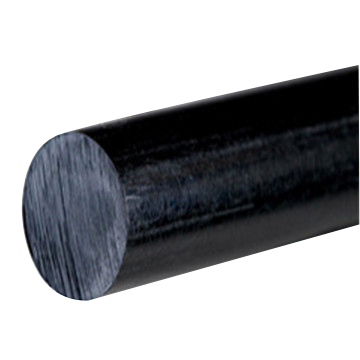
POM-H Homopolymer Acetal Derlin Plastic Cylinder
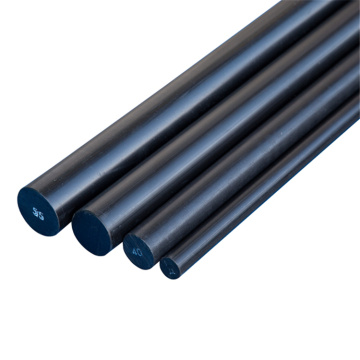
POM-C Copolymer Acetal Derlin Cylinder Rod
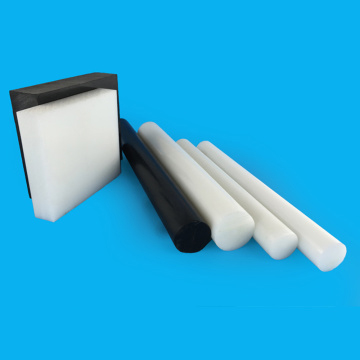
POM Polyacetal Derlin Plastic Round Bar Rod
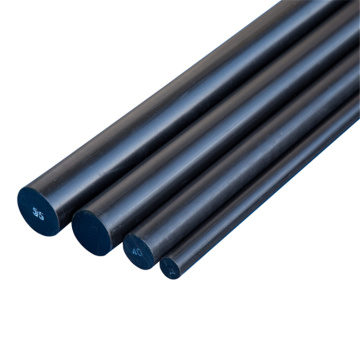
Black/White POM ESD Conductive Rod is widely used in various sliding and rotating machinery, precise parts, gear and so on. It has been Used throughout the automotive industry, electronics, clothing, medical, machinery, sports equipment industry and other fields. Available Products: POM Sheet, Pom Delrin Sheet, Pom Rod Sheet, Delrin Plastic Sheet, Pom Acetal Plate, Pom Plastic Sheet
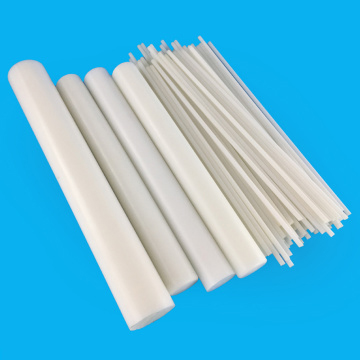
Discount Delrin Rod POM ROD, Pure Material POM Rods, 5-300mm Plastic Polyoxymethylene POM Rods are in hot selling! Pure Material Plastic Delrin Rod Pom Rod ,10~200mm Plastic Polyoxymethylene POM Rods ,POM is a kind of engineering plastic with good mechanical properties. Known as one most abrasion resistant plastic, It has almost the same rigidity as metal, so it's an ideal replacement material of copper, cast zinc, steel, aluminum and other metal materials. We are able to produce POM products without bubbles or cracks. Available Products: POM Sheet, Pom Delrin Sheet, Pom Rod Sheet, Delrin Plastic Sheet, Pom Acetal Plate, Pom Plastic Sheet
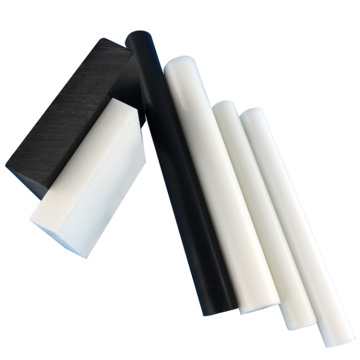
Available Products: POM Sheet, Pom Delrin Sheet, Pom Rod Sheet, Delrin Plastic Sheet, Pom Acetal Plate, Pom Plastic Sheet Black / White POM C Acetal Material Plastic Rod is widely used in various sliding and rotating machinery, precise parts, gear and so on. It has been Used throughout the automotive industry, electronics, clothing, medical, machinery, sports equipment industry and other fields.