ABS, or Acrylonitrile Butadiene Styrene, is a widely used thermoplastic polymer known for its excellent mechanical properties, impact resistance, and versatility. At Kaxite Sealing, we specialize in providing high-performance ABS materials and components engineered for demanding industrial applications. Our commitment to quality ensures that our ABS products offer superior durability, dimensional stability, and chemical resistance, making them ideal for sealing solutions, automotive parts, consumer goods, and electronic housings.
ABS is a terpolymer made by polymerizing styrene and acrylonitrile in the presence of polybutadiene. This combination results in a material that inherits the strength and rigidity of acrylonitrile, the toughness and impact resistance of polybutadiene, and the glossy finish and processability of styrene. Key advantages include:
Our ABS products are manufactured to precise standards. Below are the detailed technical parameters for our standard ABS grades.
| Property | Test Standard | Typical Value | Unit |
|---|---|---|---|
| Density | ISO 1183 | 1.04 - 1.06 | g/cm³ |
| Tensile Strength (Yield) | ISO 527 | 40 - 50 | MPa |
| Elongation at Break | ISO 527 | 10 - 25 | % |
| Flexural Modulus | ISO 178 | 2100 - 2400 | MPa |
| Izod Impact Strength (Notched, 23°C) | ISO 180 | 18 - 30 | kJ/m² |
| Heat Deflection Temperature (HDT) @ 1.8 MPa | ISO 75 | 90 - 100 | °C |
| Vicat Softening Temperature | ISO 306 | 100 - 110 | °C |
| Flammability Rating | UL 94 | HB | - |
| Surface Resistivity | IEC 60093 | 10^13 - 10^15 | Ω |
Kaxite Sealing offers a range of ABS formulations tailored for specific performance needs.
Q: What does ABS stand for and what is it made from?
A: ABS stands for Acrylonitrile Butadiene Styrene. It is a thermoplastic polymer created by polymerizing styrene and acrylonitrile with polybutadiene rubber. The acrylonitrile provides chemical and thermal stability, butadiene contributes toughness and impact strength, and styrene gives the material a good surface finish and ease of processing.
Q: Is ABS plastic safe for food contact or drinking water applications?
A: Standard ABS is generally not recommended for prolonged food contact or potable water applications without specific food-grade certifications. While it is chemically resistant, it can contain residual monomers and additives not approved for direct food contact. For such uses, Kaxite Sealing can provide guidance on specially formulated, compliant grades that meet relevant FDA or NSF standards for specific conditions.
Q: How does ABS perform outdoors and under UV exposure?
A: Unmodified ABS has poor resistance to prolonged outdoor weathering and UV radiation. Exposure can lead to color fading, surface chalking, and a reduction in impact strength. For outdoor applications, it is essential to use UV-stabilized grades of ABS or apply protective coatings and paints. Kaxite Sealing offers UV-stabilized ABS compounds for improved weatherability.
Q: Can ABS be glued, painted, or plated?
A: Yes, ABS is exceptionally well-suited for secondary operations. It can be easily bonded using cyanoacrylate (super glue), epoxy, or specific plastic cements. Its surface readily accepts paints, especially after light sanding and using a primer designed for plastics. Furthermore, ABS is one of the best plastics for electroplating (chrome, nickel, etc.) due to its excellent adhesion properties when using the correct plating-grade formulation like Kaxite Sealing's KX-ABS-PG.
Q: What is the temperature range for using ABS components?
A: The continuous use temperature for most ABS grades typically ranges from -20°C to 80°C (-4°F to 176°F). Special heat-resistant grades can extend the upper limit closer to 100-110°C (212-230°F) for short periods. It is important to consider the specific mechanical load and environmental conditions when determining the suitability for a given temperature. Always consult the technical datasheet for the specific grade, such as those provided by Kaxite Sealing.
Q: How does ABS compare to Polycarbonate (PC) or Polypropylene (PP)?
A: ABS offers a good balance of properties at a moderate cost. Compared to Polycarbonate (PC), ABS has lower impact strength, heat resistance, and cost. PC is clearer and more transparent but can be prone to stress cracking. Compared to Polypropylene (PP), ABS is harder, stiffer, has better surface finish, and is easier to paint, but PP has better chemical resistance (especially to solvents) and lower density. The choice depends on the priority of properties for the application.
Q: Is ABS recyclable?
A: Yes, ABS is a thermoplastic and is fully recyclable. It can be ground up, melted, and reprocessed multiple times, though some properties like impact strength may degrade with each cycle. The recycling code for ABS is "7" (Other). Proper sorting from other plastics is crucial for effective recycling. Kaxite Sealing is committed to sustainable practices and can provide information on recycled-content ABS options.
Q: What are the primary machining and processing methods for ABS?
A> The most common processing method for ABS is injection molding due to its excellent flow characteristics. It is also widely used in extrusion for sheets, pipes, and profiles. ABS is a very popular filament material for FDM (Fused Deposition Modeling) 3D printing. Additionally, it can be easily machined using standard woodworking or metalworking tools, such as saws, drills, and mills, though proper dust extraction is recommended.
With decades of expertise in polymer solutions, Kaxite Sealing stands as a reliable partner for sourcing high-quality ABS. Our products undergo rigorous quality control to ensure consistency and performance. We offer technical support to help you select the perfect ABS grade for your design requirements, whether for sealing gaskets, structural components, or aesthetic finishes. Our global logistics network ensures timely delivery, supporting your production schedules efficiently. For detailed datasheets, samples, or consultation on your next project involving ABS, contact the Kaxite Sealing team today.
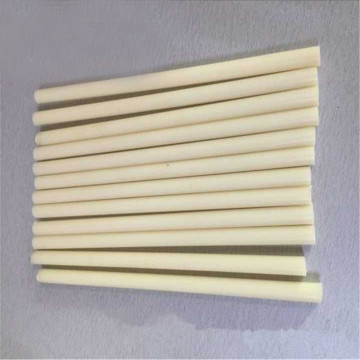
Quality Rigid Engineer Plastic ABS Round Bar Rod to keep an ester composition of the material is the biggest heavy quality, poor thermal conductivity. The temperature between the molding temperature it depends on both raw materials, is 240--265 degrees, the temperature is too high, ABS will decompose liquidity too low PC material is poor. Engineer Plastic ABS Round Bar Rod has good chemical and stress resistance .It combines toughness with rigidity and creep resistance . Easily thermoformed resulting in excellent mould detail .Easily machined , die cut , routed , sanded , buffed and polished.
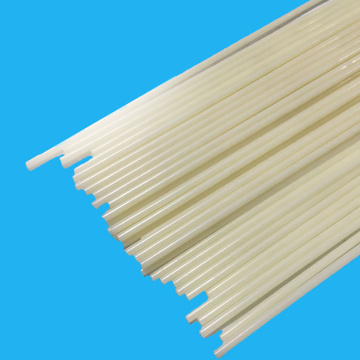
5mm Extruded Thermoformed ABS Plastic Rod to keep an ester composition of the material is the biggest heavy quality, poor thermal conductivity. The temperature between the molding temperature it depends on both raw materials, is 240--265 degrees, the temperature is too high, ABS will decompose liquidity too low PC material is poor. Thermoformed ABS Plastic Rod has good chemical and stress resistance .It combines toughness with rigidity and creep resistance . Easily thermoformed resulting in excellent mould detail .Easily machined , die cut , routed , sanded , buffed and polished.
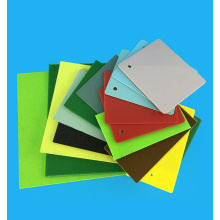
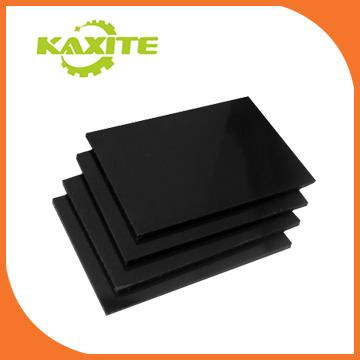
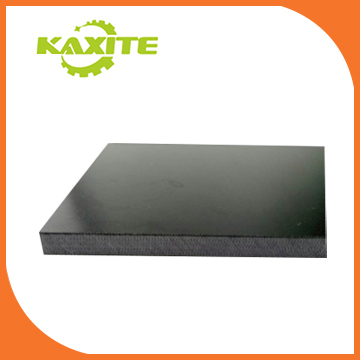
Engineering Plastic ABS Sheets Thermoforming Engineering Plastic ABS Sheets Thermoforming is made of 100% pure virgin nature abs material. Engineering plastic ABS Sheets has excellent performance in both physical and chemical properties.Plastic ABS Sheets can be applied in industries for its wondeful impact strength, stability, thermoforming, rigidity, agidity and acid-resistence. ABS Sheets Thermoforming.
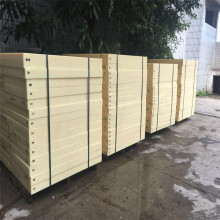
Excellent Adhesive 100% Virgin ABS Sheet and plastic to keep an ester composition of the material is the biggest heavy quality, poor thermal conductivity. The temperature between the molding temperature it depends on both raw materials, is 240--265 degrees, the temperature is too high, ABS will decompose liquidity too low PC material is poor. 100% Virgin Abs Sheet has good chemical and stress resistance .It combines toughness with rigidity and creep resistance .Easily thermoformed resulting in excellent mould detail .Easily machined , die cut , routed , sanded , buffed and polished.
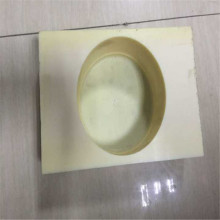
Hard Close Tolerance Easily Processing ABS Sheet and plastic to keep an ester composition of the material is the biggest heavy quality, poor thermal conductivity. The temperature between the molding temperature it depends on both raw materials, is 240--265 degrees, the temperature is too high, ABS will decompose liquidity too low PC material is poor. Easily Processing Abs Sheet has good chemical and stress resistance .It combines toughness with rigidity and creep resistance .Easily thermoformed resulting in excellent mould detail .Easily machined , die cut , routed , sanded , buffed and polished.