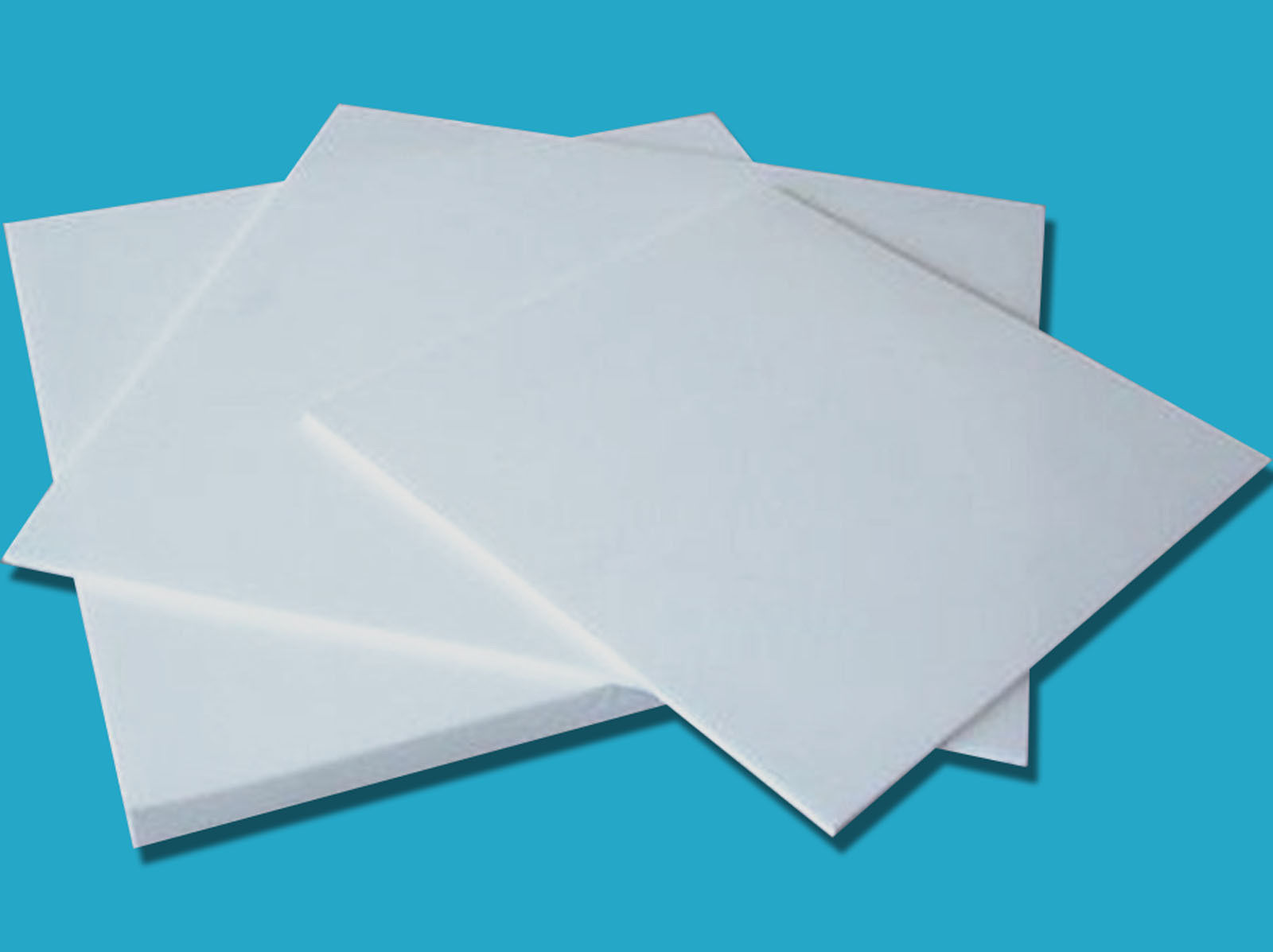
In the world of high-performance industrial materials, PTFE sheets stand out as a cornerstone solution for countless sealing, insulating, and low-friction applications. Known chemically as polytetrafluoroethylene, PTFE is a synthetic fluoropolymer renowned for its exceptional properties. At Kaxite Sealing, we have dedicated decades to mastering the formulation and manufacturing of premium-grade PTFE sheets, providing engineers and procurement specialists with a reliable material that performs under the most demanding conditions. This comprehensive guide delves into the specifics of our products, their parameters, and their vast utility across industries.
The superiority of PTFE stems from its unique molecular structure. The key characteristics that make our Kaxite Sealing PTFE sheets indispensable include:
Our PTFE sheets are engineered to meet precise specifications. Below is a detailed breakdown of our standard and custom product parameters.
| Property | Test Method | Unit | Typical Value (Virgin PTFE) | Typical Value (Glass-Filled PTFE) |
|---|---|---|---|---|
| Density | ASTM D792 | g/cm³ | 2.15 - 2.20 | 2.20 - 2.30 |
| Tensile Strength | ASTM D638 | MPa (psi) | 25 - 35 (3,600 - 5,000) | 17 - 24 (2,500 - 3,500) |
| Elongation at Break | ASTM D638 | % | 300 - 500 | 200 - 350 |
| Compressive Strength | ASTM D695 | MPa (psi) | 12 (1,740) | 45 (6,500) |
| Hardness, Shore D | ASTM D2240 | - | 50 - 65 | 60 - 70 |
| Coefficient of Friction (Dynamic) | ASTM D1894 | - | 0.05 - 0.10 | 0.10 - 0.15 |
| Dielectric Strength | ASTM D149 | kV/mm | >40 | >35 |
| Parameter | Available Options | Notes |
|---|---|---|
| Standard Sheet Thickness | 0.5mm, 1mm, 1.5mm, 2mm, 3mm, 5mm, 6mm, 10mm, 12mm, 20mm, 25mm, 50mm | Custom thicknesses available upon request. |
| Standard Sheet Dimensions | 1000mm x 1000mm, 1200mm x 1200mm, 1500mm x 1500mm, 2000mm x 1000mm | Other sizes can be custom-cut to minimize waste. |
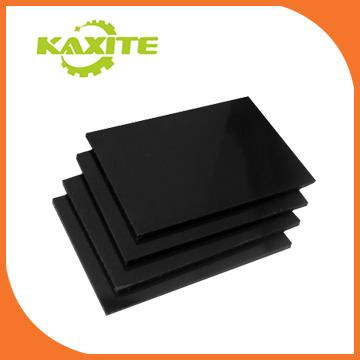
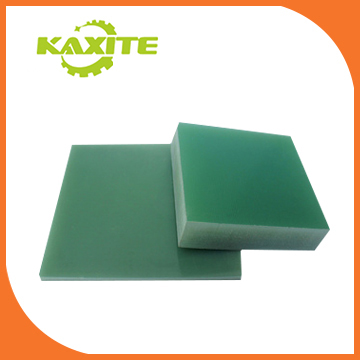
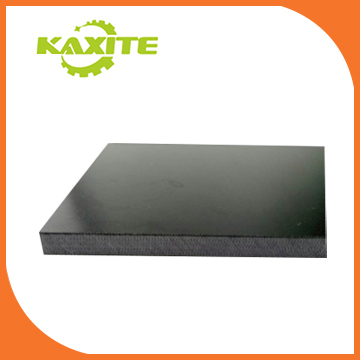
| Color | White (Virgin), Brown/Tan (Glass-Filled), Black (Carbon-Filled), Other custom colors | Color indicates filler type; virgin PTFE is naturally white. |
| Surface Finish | Smooth (Skived), Molded, Calendered | Skived sheets offer the best dimensional tolerance and surface consistency. |
We offer a range of PTFE formulations to target specific performance needs:
Q: What is the main difference between Virgin PTFE and filled PTFE sheets?
A: Virgin PTFE is the pure, unfilled polymer, offering the absolute best chemical resistance, non-stick properties, and electrical insulation. Filled PTFE sheets (e.g., with glass, carbon, bronze) incorporate additives to improve certain mechanical properties. Fillers enhance wear resistance, reduce cold flow (creep under pressure), increase hardness, and can improve thermal conductivity. The choice depends on the application's priority: chemical purity or enhanced mechanical strength.
Q: Can Kaxite Sealing PTFE sheets be machined or fabricated easily?
A: Yes, PTFE is notoriously easy to machine using standard workshop tools for cutting, drilling, turning, and milling. It does not melt but rather cuts cleanly. However, due to its softness and high thermal expansion, specific techniques are recommended: use sharp, positive-rake tools, provide good workpiece support to prevent deformation, and account for material spring-back. Kaxite Sealing provides detailed machining guidelines with every order to ensure optimal results.
Q: How does temperature affect the performance of a PTFE sheet?
A: PTFE retains its remarkable properties across an extremely wide temperature range. It remains flexible and usable down to -200°C and stable up to 260°C continuously, with short-term peaks up to 300°C possible. Its mechanical strength does decrease as temperature rises, and its thermal expansion is relatively high (approximately 10-15 times that of steel). For high-precision applications across varying temperatures, this expansion must be factored into the design. Its electrical insulation properties remain excellent throughout this range.
Q: Are there any chemicals that can damage or degrade PTFE?
A: PTFE is attacked by only a few substances under extreme conditions. These include molten alkali metals (e.g., sodium, potassium), certain fluorine compounds (like chlorine trifluoride), and fluorine gas at high temperatures and pressures. For all practical purposes in industrial settings—including exposure to strong acids, bases, oxidizers, and solvents—PTFE is considered completely inert and is often the material of last resort when other plastics fail.
Q: What are the typical applications for PTFE sheets from Kaxite Sealing?
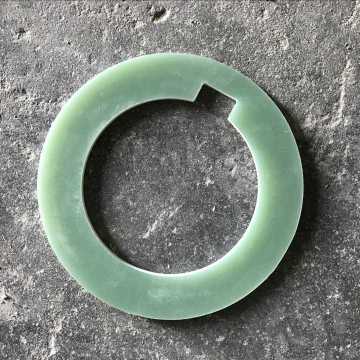
A: The applications are vast and cross-industry. Common uses include: gaskets and seals for chemical processing equipment, liner sheets for chutes and hoppers in food processing due to non-stick properties, insulating spacers and components in electrical and electronic assemblies, bearing pads and low-friction slides in mechanical engineering, diaphragm membranes, and as a release layer in composite manufacturing. Our filled grades are specifically chosen for wear pads, thrust washers, piston rings, and compressor rings.
Q: How should PTFE sheets be stored and handled?
A: Store PTFE sheets in a cool, dry place away from direct sunlight and heat sources. They should be stored flat on a level surface or hung vertically to prevent warping or creep under their own weight. Avoid contact with sharp edges that could cause cuts or scratches. While PTFE is chemically inert, keeping it clean from dust and debris before fabrication is good practice. No special safety equipment is needed for handling, as it is non-toxic at room temperature.
Q: Does Kaxite Sealing offer custom-sized or custom-formulated PTFE sheets?
A: Absolutely. Customization is a core strength of Kaxite Sealing. We regularly produce sheets in non-standard thicknesses and sheet sizes to match specific project blueprints, minimizing on-site waste. Furthermore, we can develop custom filler formulations—adjusting the type and percentage of fillers like glass, carbon, bronze, or MoS2—to achieve a precise balance of properties for unique application challenges.
Choosing the correct grade and specification is critical for long-term performance. Consider these factors:
Our technical team at Kaxite Sealing is always available to consult on your specific requirements, ensuring you select the most cost-effective and performance-optimized PTFE sheet material.
Payment Type: T/T,D/P,Paypal,Western Union Incoterm: FOB,CFR,CIF Min. Order: 100 Kilogram Delivery Time: 10 Days
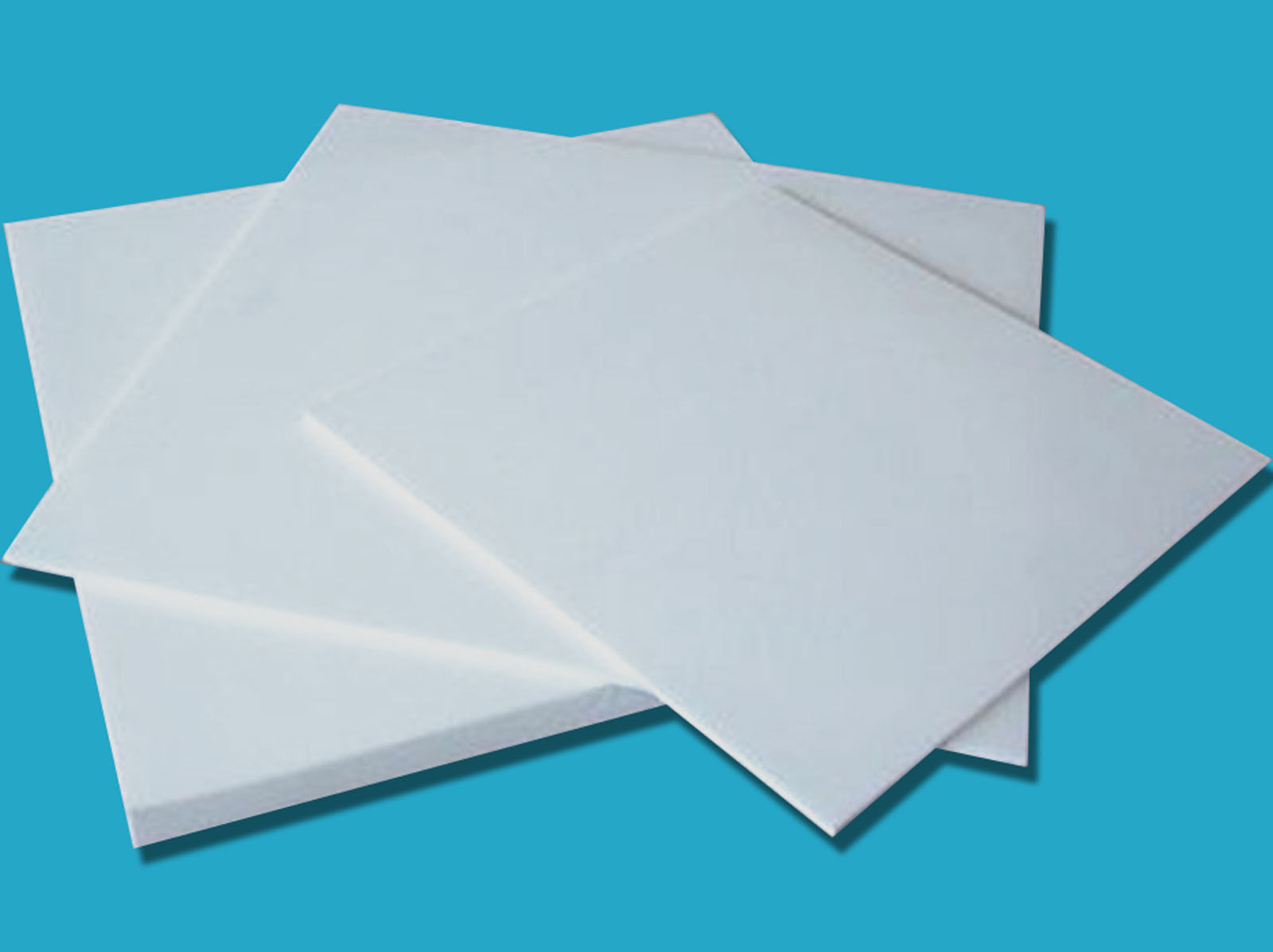
Discover Kaxite Sealing's innovative PTFE Teflon Sheet with Carbon Fibre, engineered for exceptional sealing performance. This high-strength material combines durability with low friction, ideal for industrial, automotive, and aerospace applications, ensuring reliability and efficiency while solving wear and corrosion issues. Stand out with its unique carbon fiber reinforcement, offering superior thermal stability and reduced maintenance.
Payment Type: T/T,D/P,Paypal,Western Union Incoterm: FOB,CFR,CIF Min. Order: 100 Kilogram Delivery Time: 10 Days